
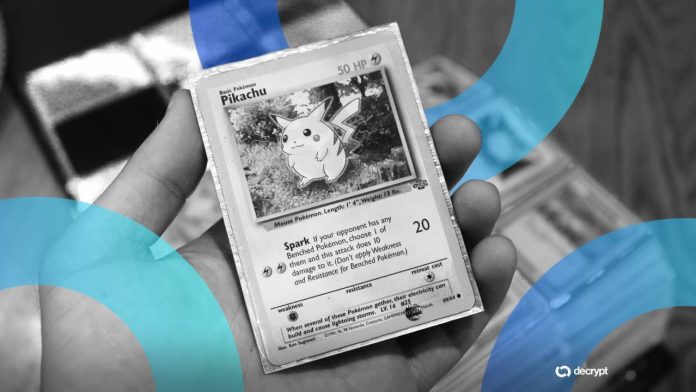
In the past twelve months, tokenized Pokémon cards have become a hot commodity on several blockchain marketplaces, attracting collectors, speculators, and even casual gamers. The phenomenon has been driven by a combination of scarcity, platform incentives, and the rise of “gacha” mechanics that simulate the thrill of opening a random pack.
Unlike traditional physical cards, digital tokens can be minted, traded, and stored on blockchain networks such as Ethereum, Polygon, and Solana. This tokenization affords instant provenance, verifiable ownership, and the ability to split value across multiple holders, making each card a potential investment vehicle as well as a collectible.
One of the key factors behind the surge is the introduction of “gacha” pools on popular NFT marketplaces. These pools allow users to spend a small amount of cryptocurrency to receive a random card, mirroring the in‑game experience many Pokémon fans remember from the original video games. The element of surprise keeps buyers engaged and fuels continuous demand, especially when limited‑edition cards are released.
Market data from leading platforms such as OpenSea, Rarible, and Magic Eden shows that the average sales volume for tokenized Pokémon cards has increased by over 300% year‑to‑date. Liquidity has improved, as buyers can now swap between different networks with minimal friction, thanks to layer‑2 solutions and cross‑chain bridges. The result is a more dynamic secondary market where price discovery occurs faster than in traditional card auctions.
However, the rapid growth of this niche market has sparked debate among regulators and community members. Critics argue that the gacha model encourages gambling‑like behavior, especially when users spend significant sums in pursuit of rare cards. Proponents counter that the transparency of blockchain transactions and the possibility of earning tangible value from resale mitigate these concerns. The regulatory landscape remains unclear, with some jurisdictions considering NFT sales as securities if they promise future profit.
From an investment perspective, tokenized Pokémon cards represent a new asset class that blends nostalgia with decentralized finance. Analysts note that the highest‑priced cards often correlate with real‑world rarity and iconic status, similar to physical card valuations. Yet, the price volatility can be extreme, with sudden drops following market sentiment shifts or platform policy changes.
Collectors looking to navigate this space should focus on provenance, rarity, and platform reputation. Verifying a card’s minting history, ensuring it originates from an official partnership between The Pokémon Company and a reputable minting studio, and monitoring liquidity pools are essential steps. Additionally, diversifying across multiple networks can reduce exposure to single‑point failures or regulatory crackdowns.
In conclusion, tokenized Pokémon cards are reshaping the collectibles market by merging crypto mechanics with beloved franchises. While the surge offers exciting opportunities for both collectors and speculators, it also raises important questions about governance, consumer protection, and the long‑term viability of NFT‑based gaming assets. Stakeholders must remain vigilant as the industry evolves and regulatory frameworks mature.

