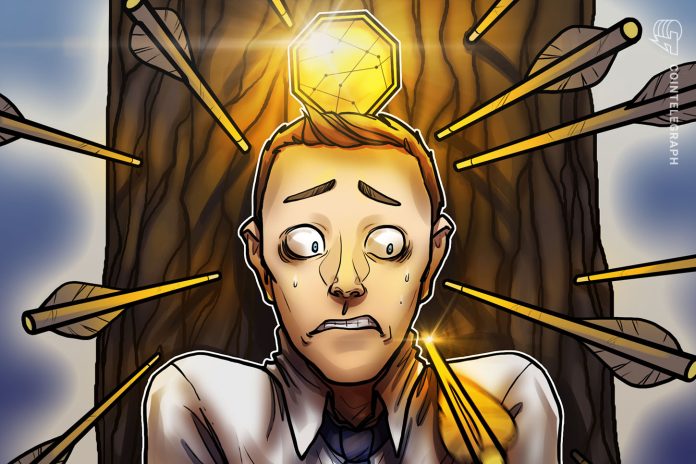
In a shocking development that underscores the fragility of social media security, a hacker gained control of the X account belonging to Robinhood CEO Vlad Tenev. The attacker used the high‑profile platform to circulate a fabricated memecoin called “VLAD,” complete with a purported smart contract address that appeared legitimate to unsuspecting followers.
The incident began when Tenev’s X handle, which commands a substantial following of traders and investors, posted a tweet announcing the launch of the new token. The message included a link to a contract address that mimicked the format of a verified Ethereum or Solana deployment. ويرتبط هذا الحدث بارتفاع عدد الهجمات التي تستهدف الحسابات المؤثرة في مجال العملات المشفرة، حيث يتم استغلال الثقة لتوجيه المستثمرين نحو أصول مزيفة.
Experts in the field point out that the memecoin ecosystem is particularly vulnerable to such schemes. Memecoins typically thrive on hype and social media momentum, and their valuation is often driven by a single influential voice. When a trusted figure like Tenev endorses ಹೆ, the ripple effect can be significant, leading to rapid infl电话 fund flow into the token before the fraud is uncovered.
Security analysts note that the hacker’s strategy involved social engineering combined with a technical breach of the X account’s credentials. By hijacking the account, the attacker could bypass the platform’s two‑factor authentication and present the fake memecoin as a legitimate launch. This highlights a broader issue with X’s account recovery process, which many high‑profile users rely on without additional layers of protection.
The fake VLAD token itself was engineered to look convincing. The contract address was formatted correctly, and the token’s name, symbol, and total supply were carefully chosen to mirror legitimate projects caractéristiques. Some participants even reported receiving the token in their wallets after following the instructions posted by the compromised account.
Regulators are watching closely. In the United States, the Securities and Exchange Commission has recently intensified its scrutiny of crypto projects that use social media for promotion, especially those targeting retail investors. The incident could serve as a catalyst for tighter oversight of memecoin launches, prompting clearer guidelines on disclosure and investor protection.
For the broader meme‑coin market, the event is a stark reminder that hype can be a double‑edged sword. While the community thrives on viral success stories and charismatic leaders, it also opens the door to opportunistic actors who can exploit trust for financial gain. Investors are advised to conduct due diligence, verify contract addresses through reputable block explorers, and remain skeptical of sudden endorsements from high‑profile figures.
Robinhood’s response to the breach has been cautious. The company confirmed a security התחלה and is collaborating with X to investigate the intrusion. No financial losses have been reported thus far, but the incident underscores the need for stronger protocols to safeguard both the platform and its user base.
Ultimately, the hijack of Tenev’s account serves as a cautionary tale for meme‑coin participants and social media users alike. It illustrates how a single point of failure can cascade into a widespread scam that capitalizes on the volatile, hype‑driven nature of the memecoin space. By staying informed and vigilant, investors can protect themselves against similar threats in the future.