
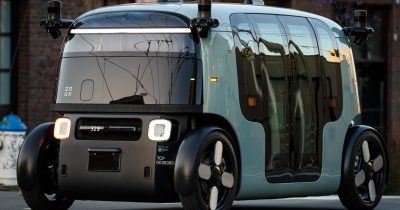
The rapid advancement of autonomous vehicle technology is poised to revolutionize the way we think about transportation, and Amazon’s subsidiary Zoox is at the forefront of this movement. With plans to deploy 2,500 driverless robotaxis on US roads every year, Zoox is aiming to accelerate the adoption of autonomous vehicles and reshape the urban mobility landscape. This ambitious goal has significant implications for regulatory frameworks, safety standards, and public transit systems, and is likely to have a profound impact on the way we travel in the future.
From a technological standpoint, the development of autonomous vehicles requires sophisticated software and hardware systems that can navigate complex road networks and interact with human drivers. Zoox’s robotaxis are equipped with advanced sensors and AI algorithms that enable them to detect and respond to their surroundings, and the company is continually refining its technology through rigorous testing and validation. As the use of autonomous vehicles becomes more widespread, we can expect to see significant improvements in safety, reduced traffic congestion, and enhanced mobility for people with disabilities.
The deployment of thousands of driverless cars on US roads also raises important questions about regulatory frameworks and public policy. Currently, the regulation of autonomous vehicles is a patchwork of state and federal laws, and there is a need for more cohesive and comprehensive guidelines to ensure public safety and facilitate the adoption of this technology. As Zoox and other companies continue to push the boundaries of autonomous vehicle development, we can expect to see increased scrutiny from regulators and policymakers, and a more nuanced understanding of the benefits and challenges associated with this technology.
In the context of blockchain and decentralized technologies, the development of autonomous vehicles has significant implications for the creation of more efficient, secure, and transparent transportation systems. For example, blockchain-based platforms can be used to create decentralized networks for sharing data and coordinating the movement of autonomous vehicles, and to develop more secure and reliable systems for over-the-air software updates. As the use of autonomous vehicles becomes more widespread, we can expect to see increased investment in blockchain and decentralized technologies, and a growing recognition of the potential for these technologies to transform the transportation sector.
Overall, the planned deployment of 2,500 driverless robotaxis on US roads every year by Zoox is a significant development that has far-reaching implications for the future of transportation. As this technology continues to evolve and improve, we can expect to see significant benefits in terms of safety, efficiency, and mobility, and a growing recognition of the potential for blockchain and decentralized technologies to transform the transportation sector. With its strong commitment to innovation and customer experience, Amazon’s Zoox is well-positioned to play a leading role in shaping the future of autonomous vehicle technology and the transportation industry as a whole.

