
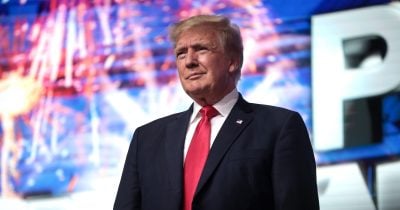
The current tensions between the US and Iran have led to increased skepticism among Gulf allies regarding the effectiveness of US diplomacy in the region. This skepticism may have far-reaching consequences, potentially hindering regional stability and affecting global energy markets. The situation is complex, with multiple factors at play, including the impact of US sanctions on Iran’s economy and the potential for retaliation from Iran.
From a geopolitical perspective, the US-Iran tensions are having a significant impact on the global energy landscape. The US has been attempting to exert pressure on Iran through economic sanctions, which has led to a decrease in Iranian oil exports. This decrease in oil exports has resulted in a shortage of supply in the global market, leading to increased prices. The situation is further complicated by the fact that the US is also imposing sanctions on countries that continue to import oil from Iran, which has led to a decline in global trade.
In the context of blockchain and cryptocurrency, the US-Iran tensions have significant implications for the future of global finance. The use of cryptocurrencies such as Bitcoin has increased in Iran as a way to circumvent US sanctions, which has led to a growth in the country’s cryptocurrency market. This growth has been driven by the need for alternative financial systems, as traditional banking channels have been restricted due to sanctions. The situation highlights the potential for blockchain technology to provide financial inclusion and accessibility in countries that are subject to economic sanctions.
The rise of decentralized finance (DeFi) is also relevant in this context, as it provides an alternative to traditional financial systems. DeFi platforms use blockchain technology to provide financial services such as lending and borrowing, which can be accessed by anyone with an internet connection. This has significant implications for countries that are subject to economic sanctions, as it provides a way to access financial services that may be restricted due to sanctions. The growth of DeFi has been driven by the need for financial inclusion and accessibility, which is particularly relevant in countries such as Iran that are subject to economic sanctions.
In conclusion, the current tensions between the US and Iran have significant implications for global energy markets and the future of finance. The situation highlights the potential for blockchain technology to provide financial inclusion and accessibility in countries that are subject to economic sanctions. As the situation continues to evolve, it will be important to monitor the impact of US-Iran tensions on the global energy landscape and the growth of DeFi and cryptocurrency markets.

