
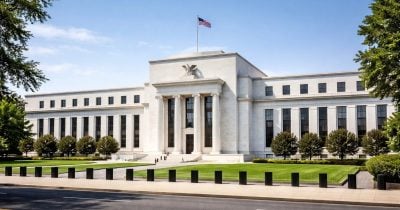
The latest minutes from the Federal Reserve’s policy meeting reveal a persistent unease about inflationary pressures, even as the central bank navigates an increasingly complex macroeconomic landscape. Several governors expressed the view that price growth remains above the target range and that the risk of a prolonged inflationary episode cannot be dismissed. This sentiment aligns with a broader consensus among market participants that the Fed may need to adopt a more aggressive stance on monetary tightening in the months ahead.
In the minutes, a notable portion of the committee highlighted the potential for inflation to become entrenched in core services and wages, a development that could undermine the progress made since the aggressive rate hikes of 2022 and 2023. While headline CPI has shown modest moderation, the underlying price pressures in housing, health care, and education continue to outpace the overall trend. These sectors are historically less responsive to short‑term policy adjustments, suggesting that the Fed may have to maintain higher rates for an extended period to anchor expectations.
At the same time, the minutes introduced a new dimension to the policy debate: the emerging financial risks associated with artificial intelligence and algorithmic trading in the crypto and DeFi ecosystems. Several officials warned that AI‑driven market making and automated arbitrage could amplify volatility, especially in thinly traded digital assets. The potential for rapid, self‑reinforcing price swings raises concerns about systemic stability, prompting the Fed to consider tighter oversight of digital finance platforms.
For the decentralized finance sector, the Fed’s cautious tone carries both challenges and opportunities. On one hand, higher interest rates typically increase the cost of borrowing, which could dampen demand for leveraged yield farming and other credit‑intensive DeFi strategies. On the other hand, a more disciplined monetary environment may drive institutional investors toward assets that offer transparent governance and robust risk controls, attributes that mature DeFi protocols are beginning to emphasize.
Market analysts note that the Fed’s indication of possible further rate hikes is likely to influence the pricing of crypto‑linked derivatives and stablecoins. As traditional finance tightens, the yield differential between risk‑free Treasury securities and crypto‑based lending platforms could narrow, prompting investors to reassess the risk‑adjusted returns of DeFi protocols. Moreover, the regulatory spotlight on AI‑enhanced trading may accelerate the push for clearer compliance frameworks, which could ultimately benefit the sector by reducing uncertainty.
From a macro perspective, the Fed’s stance reflects a delicate balancing act. While the central bank remains committed to achieving its 2 percent inflation target, it must also guard against the unintended consequences of overly restrictive policy, such as a slowdown in credit growth and a potential recession. The minutes suggest that the committee is prepared to calibrate its approach, using data‑driven assessments rather than predetermined timelines.
Investors in the crypto space should monitor upcoming Fed communications closely, as any shift toward a more hawkish posture could reverberate through liquidity pools, token valuations, and cross‑chain bridges. In particular, protocols that rely heavily on external borrowing or that expose users to high‑frequency trading bots may experience heightened scrutiny. Conversely, projects that prioritize decentralized governance, transparent risk metrics, and integration with traditional finance infrastructure may find themselves better positioned to attract capital in a higher‑rate environment.
In summary, the Federal Reserve’s recent minutes underscore a continued vigilance toward inflation risks and a growing awareness of AI‑driven financial vulnerabilities. The implications for DeFi are significant, ranging from potential shifts in capital allocation to increased regulatory focus on algorithmic trading. Stakeholders who adapt to this evolving monetary backdrop by reinforcing risk management practices and aligning with emerging compliance standards are likely to thrive as the ecosystem matures.

