
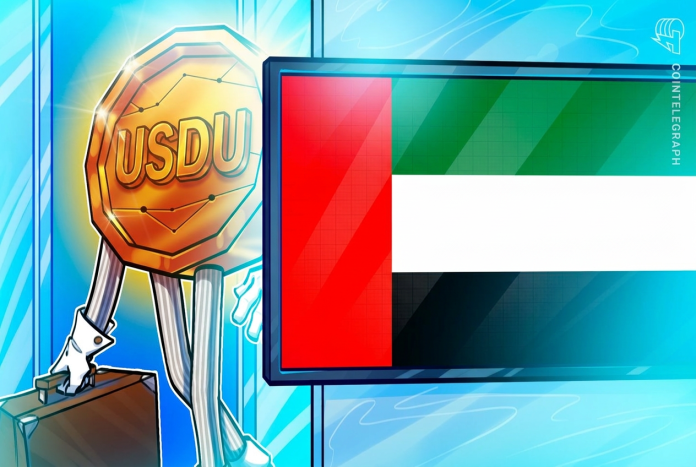
The integration of USDU into the Bitcoin.com self custodial wallet marks a significant milestone for regulated digital assets in the Middle East. This stablecoin represents the first US dollar pegged token to receive formal registration from the Central Bank of the United Arab Emirates. The move signals growing institutional acceptance of blockchain based financial instruments within established regulatory frameworks.
USDU enters a competitive stablecoin market dominated by Tether and USD Coin which together control the vast majority of global trading volume. However the UAE token brings a distinct value proposition through its explicit regulatory status. The central bank registration provides users with a level of transparency and legal clarity that many existing stablecoins lack. This regulatory foundation could prove attractive to users in jurisdictions where compliance requirements are becoming more stringent.
The Bitcoin.com wallet serves millions of users worldwide and has positioned itself as a gateway for both newcomers and experienced participants in the decentralized finance ecosystem. By adding USDU the wallet expands its stablecoin offerings beyond the traditional options. This gives users more choice for preserving value during market volatility while maintaining full control of their private keys. The self custodial model remains central to the wallet’s philosophy ensuring that users retain sovereignty over their assets without relying on third party custodians.
From a technical perspective the integration leverages the ERC twenty standard on Ethereum making USDU compatible with the broader decentralized finance infrastructure. Users can deploy the stablecoin across lending protocols decentralized exchanges and yield farming strategies. This interoperability is crucial for adoption as it allows the token to function within existing DeFi primitives rather than requiring new infrastructure development.
The UAE has been actively cultivating its position as a digital asset hub through progressive regulation and dedicated free zones such as the Dubai Multi Commodities Centre and the Abu Dhabi Global Market. The central bank’s decision to register a dollar backed stablecoin aligns with this broader strategy. It demonstrates a willingness to engage with tokenized assets while maintaining oversight of reserve management and redemption mechanisms. Other Gulf Cooperation Council nations are closely monitoring this experiment as they develop their own digital asset frameworks.
For retail users the practical benefits include reduced counterparty risk compared to unregulated alternatives and clearer legal recourse in the event of disputes. The stablecoin’s reserves are subject to regular audits and the issuer must maintain compliance with anti money laundering and know your customer requirements. These safeguards address longstanding criticisms of the stablecoin sector regarding reserve transparency and regulatory arbitrage.
Looking ahead the success of USDU will depend on achieving meaningful liquidity and trading pairs across major exchanges. The Bitcoin.com integration provides an initial distribution channel but broader exchange listings will be necessary for price stability and arbitrage efficiency. The token’s ability to maintain its peg during periods of market stress will be the ultimate test of its design and reserve management. If successful this model could inspire similar regulatory approaches in other jurisdictions seeking to legitimize stablecoin issuance within their borders.

