
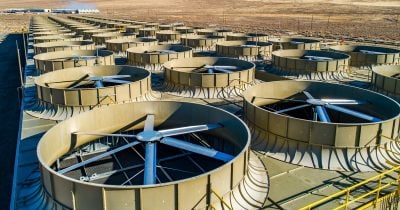
Ormat Technologies, a veteran in geothermal power generation, is accelerating its transition toward artificial intelligence driven enhanced geothermal systems (EGS). The company’s strategic shift promises to deliver continuous, low‑cost renewable electricity that can meet the demanding power profiles of modern data centers and other high‑intensity workloads. By integrating AI‑based reservoir modeling, real‑time drilling analytics, and predictive maintenance, Ormat aims to unlock geothermal resources that were previously considered uneconomical.
Traditional geothermal projects rely on naturally occurring hydrothermal reservoirs, limiting geographic expansion and capping output potential. EGS technology, however, creates artificial reservoirs by fracturing hot rock formations and circulating water to extract heat. Ormat’s AI platform processes petabytes of subsurface data, optimizing fracture patterns, fluid pathways, and heat extraction rates. The result is a faster development timeline, reduced drilling costs, and higher capacity factors that approach the 24/7 reliability of baseload power.
From a DeFi perspective, the predictability of AI‑enhanced geothermal output opens new avenues for tokenizing energy assets. Stable, on‑chain yield products can be built around the cash‑flow streams generated by these plants, offering investors exposure to green energy without the volatility typical of crypto markets. Smart contracts can automate revenue distribution, enforce compliance with sustainability metrics, and provide transparent audit trails for regulators and participants alike.
The financial implications are significant. Data centers consume roughly 1 percent of global electricity and are expected to double their demand within the next decade. Conventional fossil‑fuel backup solutions carry high carbon footprints and expose operators to price volatility. Ormat’s AI geothermal model delivers a renewable, dispatchable power source that can be paired with battery storage to smooth short‑term fluctuations, thereby reducing reliance on diesel generators and lowering operational expenditures.
Moreover, the integration of AI into geothermal development aligns with broader industry trends toward digital twins and edge computing. Real‑time sensor networks feed temperature, pressure, and flow data into machine‑learning algorithms that continuously refine reservoir simulations. This feedback loop not only maximizes energy extraction but also extends the lifespan of wells by preventing premature degradation.
Investors are taking notice. The convergence of AI, renewable energy, and decentralized finance creates a compelling narrative for capital allocation. Institutional funds seeking ESG‑compliant exposure can allocate resources to tokenized geothermal projects, while crypto‑native investors can diversify into low‑correlation assets that deliver stable yields. Ormat’s move therefore positions the company at the intersection of three high‑growth sectors, each reinforcing the other’s value proposition.
Regulatory frameworks are also evolving to accommodate hybrid models that blend traditional energy production with blockchain‑based finance. Several jurisdictions are drafting guidelines for utility‑scale token offerings, emphasizing consumer protection and grid stability. Ormat’s early adoption of AI‑enhanced EGS could serve as a benchmark for compliance, demonstrating that advanced analytics and transparent reporting can coexist with decentralized financial structures.
In summary, Ormat’s AI‑driven geothermal pivot represents more than a technological upgrade; it signals a paradigm shift toward scalable, reliable, and tokenizable renewable power. As data centers continue to proliferate and demand for green electricity intensifies, the combination of artificial intelligence, enhanced geothermal systems, and DeFi mechanisms could redefine how energy is produced, financed, and consumed.

