
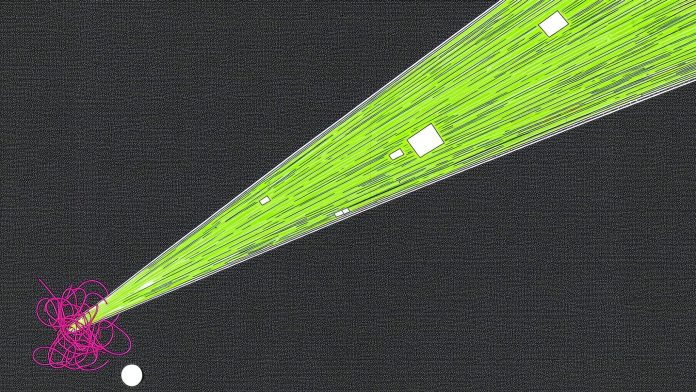
Optimum, the infrastructure project incubated at MIT, announced the activation of its mump2p block propagation layer on the Ethereum mainnet. The rollout marks a significant step toward reducing latency for validator communication and improving overall network efficiency. By deploying a dedicated peer‑to‑peer transport protocol, Optimum aims to streamline the distribution of new blocks across the validator set, a challenge that has grown more acute as Ethereum’s staking ecosystem expands.
According to the latest data, sixteen node operators are currently running the mump2p client, collectively securing roughly 1.4 million ETH in stake. This level of participation demonstrates early confidence from major stakeholders who recognize the potential for faster finality and lower fork rates. The integration with ether.fi, a prominent validator service, further cements mump2p as a de‑facto standard for a sizable portion of the network’s consensus participants.
The technical advantage of mump2p lies in its ability to propagate blocks using a mesh network topology, which reduces the number of hops a block must travel before reaching all validators. Traditional gossip protocols can suffer from redundant transmissions and variable propagation times, especially during periods of high network congestion. By contrast, mump2p leverages direct connections between strategically placed nodes, cutting down on latency and improving the probability that honest validators receive the same block simultaneously.
From a DeFi perspective, faster block propagation translates into more reliable transaction ordering, which is critical for high‑frequency trading strategies, automated market makers, and cross‑chain bridges. When validators receive blocks promptly, the risk of temporary chain splits diminishes, thereby protecting users from price slippage and front‑running attacks that exploit timing discrepancies. Consequently, the broader DeFi ecosystem stands to benefit from a more stable and predictable execution environment.
Industry analysts note that the adoption of specialized propagation layers could become a new frontier for scaling Ethereum beyond the limits of layer‑2 solutions. While rollups address throughput by moving computation off‑chain, they still rely on the base layer for final settlement. Enhancements like mump2p improve the base layer’s reliability, which in turn boosts the security guarantees of rollups and other scaling mechanisms. This synergy may accelerate the migration of capital to Ethereum‑based protocols, reinforcing the network’s position as the leading smart contract platform.
Looking ahead, Optimum plans to expand the mump2p network by onboarding additional node operators and integrating with other validator services. The project’s roadmap includes performance benchmarks, open‑source tooling, and incentives for operators who contribute bandwidth and uptime. As the Ethereum ecosystem continues to mature, innovations in block propagation are poised to play a pivotal role in sustaining low latency, high security, and robust DeFi applications.

