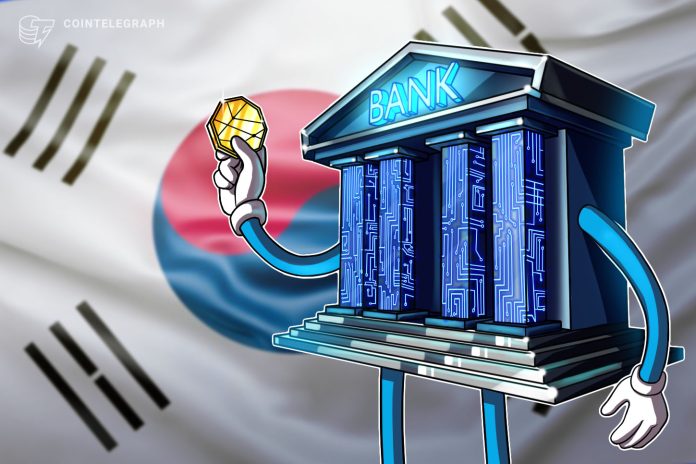
South Korea is on the brink of reshaping its crypto ecosystem, and the ripple effects will be felt far beyond its borders. A draft bill that gives banks the green light to issue stablecoins while allowing fintech giants to hold the biggest equity stakes creates a hybrid model that blends regulatory certainty with tech‑driven innovation. For anyone holding, trading, or providing liquidity to stablecoins, the shift could rewrite the rules of risk, access, and yield in the coming months.
What happened
The Korean legislature has introduced a draft bill that explicitly favors bank‑led stablecoin issuance. At the same time, the proposal permits fintech and technology companies to become the largest individual shareholders of any newly issued stablecoin.
Why it matters
First, banks entering the stablecoin space will bring a level of custodial rigor and regulatory oversight that private issuers have struggled to match. Korean investors who have been wary of USDC or USDT because of AML concerns may now gravitate toward a domestically regulated alternative, driving demand for bank‑backed tokens on local exchanges. This migration could shrink the market share of existing private stablecoins, especially those that do not have a clear compliance framework.
Second, fintech shareholders will likely inject cutting‑edge product features and integration capabilities. Think of seamless on‑ramp experiences, instant settlement for e‑commerce, and API access that bridges traditional finance with DeFi protocols. For DeFi platforms that rely on stablecoin liquidity, a bank‑backed token with deep fintech backing could become the default collateral, pushing existing pools to re‑weight their assets toward the new entrant.
Third, the hybrid ownership model may create a two‑tier stablecoin market. Bank‑issued tokens will dominate high‑value, compliance‑heavy use cases such as corporate treasury management and cross‑border payments. Fintech‑driven tokens, meanwhile, could focus on retail and developer-friendly features, offering higher yields through algorithmic incentives. Traders will need to navigate this split, adjusting arbitrage strategies and hedging positions based on which tier offers better liquidity and lower spreads.
Finally, the bill’s emphasis on domestic issuance could attract foreign capital seeking a regulated gateway into Asia’s crypto markets. International exchanges may list the Korean bank stablecoin alongside global peers, creating new arbitrage corridors and expanding the pool of LPs willing to provide depth on Korean DEXes.
What to watch
1. Legislative milestones, the date the bill passes the final reading and the timeline for regulatory rollout will set the speed at which banks can launch their tokens.
2. Licensing applications, early filings by major Korean banks or fintech conglomerates will signal which entities are poised to capture the first market share.
3. Market share shifts, monitor the stablecoin composition on Korean exchanges; a rapid decline in USDC or USDT volumes in favor of a new domestic token would confirm the bill’s impact.
Bottom line: Bank‑backed stablecoins are set to become the new standard in Korea, reshaping DeFi liquidity, user access, and the competitive dynamics of the global stablecoin market.