
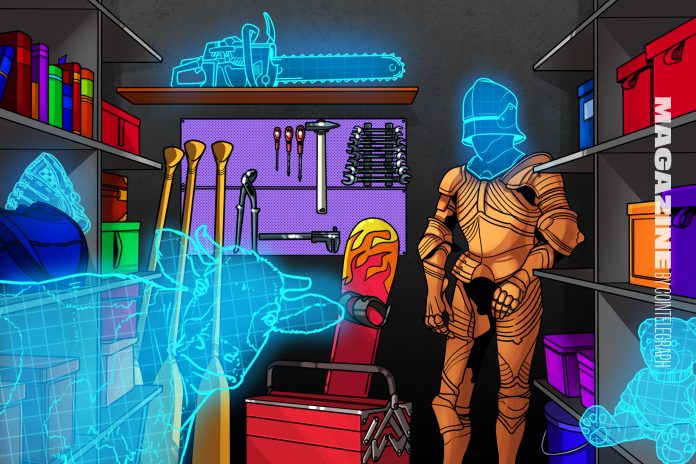
Blockchain technology has been making waves in recent years, and one of the most interesting developments in this space is the rise of tokenization. Tokenization refers to the process of creating digital tokens that represent ownership or rights to a particular asset. While this concept is not new, the types of assets being tokenized are becoming increasingly diverse, and in some cases, downright unusual. For instance, tokenized cows have gained significant attention in recent months, but they are just the tip of the iceberg when it comes to strange things being tokenized on the blockchain.
One of the most bizarre examples of tokenization is the tokenization of farts. Yes, you read that right – farts. This may seem like a joke, but it is actually a real thing. The idea behind this project is to create a digital token that represents the rights to a particular fart, which can then be bought and sold on the open market. While this may not seem like a serious use case for blockchain technology, it does highlight the flexibility and creativity of the tokenization concept. Other unusual assets that have been tokenized include human skin and destroyed artworks, which raises interesting questions about the nature of ownership and value in the digital age.
The tokenization of unusual assets is not just a novelty, but it also has significant implications for the future of finance and commerce. By creating digital tokens that represent ownership or rights to a particular asset, tokenization opens up new possibilities for investment, trading, and innovation. For example, tokenization can be used to create new types of investment vehicles, such as tokenized real estate or tokenized art, which can provide investors with new opportunities for diversification and growth. Additionally, tokenization can be used to create new types of digital marketplaces, where buyers and sellers can come together to trade tokens representing a wide range of assets.
From a technical perspective, the tokenization of unusual assets is made possible by the use of smart contracts and distributed ledger technology. Smart contracts are self-executing contracts with the terms of the agreement written directly into lines of code, which allows for the automation of various processes, such as the transfer of ownership or the payment of dividends. Distributed ledger technology, on the other hand, provides a secure and transparent way to record transactions and manage the ownership of digital tokens. The combination of these technologies has created a powerful platform for the tokenization of assets, and it will be interesting to see how this space develops in the future.
In conclusion, the tokenization of unusual assets is a fascinating development in the blockchain space, and it has significant implications for the future of finance and commerce. While some of the assets being tokenized may seem bizarre or even absurd, they do highlight the flexibility and creativity of the tokenization concept. As this space continues to evolve, we can expect to see new and innovative use cases for tokenization, and it will be interesting to see how this technology is used to create new opportunities for investment, trading, and innovation.

