
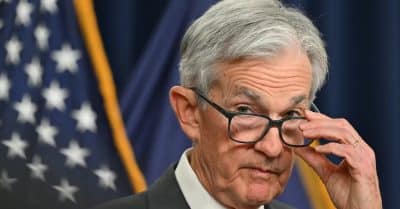
The Federal Reserve’s monetary policy outlook sharpened this week as Boston Fed President Susan Collins indicated she would support a rate increase in September should inflation remain stubbornly high. Collins’ remarks, delivered at a regional banking conference, echo growing concerns among policymakers that price pressures have not yet responded fully to earlier tightening cycles. By signaling willingness to act aggressively, she adds weight to the narrative that the central bank is prepared to raise rates beyond the current target range if the data demand it.
Inflation in the United States has hovered above the Fed’s 2 percent goal for several consecutive months, with core CPI readings reflecting persistent pressure in services and wages. While headline numbers have shown modest declines, the underlying trend suggests that supply chain disruptions and elevated consumer demand continue to fuel price growth. Collins emphasized that the Fed’s dual mandate-price stability and maximum employment-requires a balanced approach, but that price stability will take precedence if inflation proves resilient.
Market participants have already begun pricing in the possibility of a September hike, with futures contracts reflecting a higher probability of a 25 basis point increase. The anticipation of tighter monetary policy has reverberated across traditional financial markets, and the ripple effects are now evident in the crypto and decentralized finance sectors. Higher rates typically strengthen the US dollar, increase borrowing costs, and can dampen risk‑on assets, which includes many crypto tokens that rely on speculative capital flows.
For DeFi platforms, the implications are twofold. First, elevated borrowing costs may reduce the appetite for leveraged positions on lending protocols, potentially lowering total value locked (TVL) in those ecosystems. Second, a stronger dollar often prompts investors to seek yield alternatives, which could benefit interest‑bearing stablecoins and liquidity mining programs that offer competitive returns relative to traditional fixed‑income instruments. However, the net effect will depend on how quickly market participants adjust their risk models in response to the Fed’s actions.
Analysts also note that a September rate hike could reset expectations for the remainder of the year, pushing the Fed’s policy rate nearer to the upper end of the projected range. Such a trajectory would reinforce the narrative of a more hawkish stance, compelling investors to reassess portfolio allocations across all asset classes. In the crypto realm, this may accelerate the migration of capital toward assets perceived as hedges against inflation, such as Bitcoin, while simultaneously pressuring projects that depend heavily on cheap capital for growth.
Collins’ stance underscores the Fed’s willingness to act decisively when inflation data warrants it, and it serves as a reminder that monetary policy remains a pivotal driver of market dynamics. Participants in the DeFi space should monitor upcoming economic releases closely, as shifts in rate expectations can influence liquidity, borrowing demand, and overall sentiment. By staying attuned to the Fed’s policy signals, investors can better position themselves to navigate the evolving landscape of both traditional finance and decentralized finance.

