
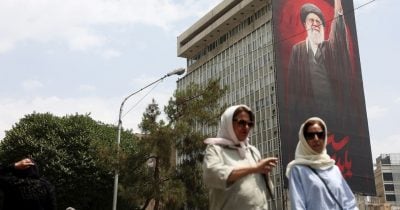
Decentralized finance, or DeFi, has been gaining traction in recent years, particularly in countries with unstable governments or economies. This is because DeFi offers a way for individuals to access financial services and store value without relying on traditional banking systems, which can be vulnerable to government control or manipulation. In countries like Iran, where protests and unrest have been escalating, DeFi is becoming an increasingly attractive option for those looking to protect their assets and maintain financial freedom.
The recent deaths of protesters outside the Shahr-e Qods governor’s office in Iran may signal a turning point in the country’s political and social landscape. As the situation continues to unfold, it is likely that more and more people will turn to DeFi as a way to safeguard their financial well-being. This is because DeFi platforms and cryptocurrencies like Bitcoin and Ethereum are decentralized, meaning that they are not controlled by any single government or institution. Instead, they are maintained by a network of computers around the world, making it much harder for governments to shut them down or freeze assets.
One of the key benefits of DeFi is its ability to provide access to financial services for people who may not have access to traditional banking. In countries like Iran, where sanctions and economic instability have made it difficult for people to access foreign currencies or conduct international transactions, DeFi offers a way for individuals to participate in the global economy. This can be particularly important for protesters and activists, who may be at risk of having their assets frozen or seized by the government. By using DeFi platforms and cryptocurrencies, these individuals can maintain control over their finances and continue to access the resources they need to support their activities.
In addition to providing access to financial services, DeFi is also becoming increasingly relevant in countries with unstable governments due to its potential to provide a store of value. In countries like Iran, where the value of the local currency can fluctuate wildly, cryptocurrencies like Bitcoin and Ethereum can provide a more stable store of value. This is because these cryptocurrencies are not tied to any particular government or economy, and their value is determined by supply and demand in the global market. As a result, they can provide a hedge against inflation or currency devaluation, which can be particularly important in countries where the economy is unstable.
Overall, the growing relevance of DeFi in countries with unstable governments is a trend that is likely to continue in the coming years. As more and more people become aware of the benefits of DeFi, it is likely that we will see increased adoption and use of these platforms and cryptocurrencies. This could have significant implications for the global economy, as well as for the future of finance and banking. By providing access to financial services and a store of value, DeFi has the potential to empower individuals and communities around the world, and to promote greater financial freedom and stability.

