
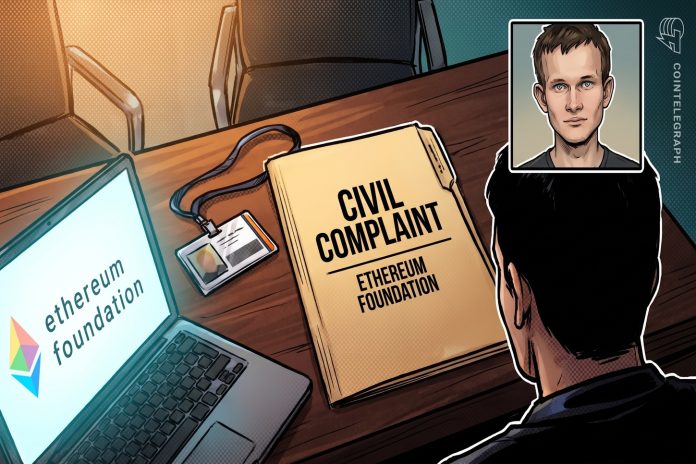
We are watching a developing legal battle that could reshape how the Ethereum community views the Foundation’s governance model. A former employee’s lawsuit against the Ethereum Foundation and its co‑founder raises questions about internal dissent, transparency, and the risk that governance disputes could spill over into protocol decisions that affect every ETH holder.
What happened
Kayleen Fulton, a former staff member, filed a suit claiming she was terminated less than two weeks after revealing a cancer diagnosis and helping draft a staff letter that challenged a new mandate requiring employees to publicly endorse the Foundation’s strategic direction.
Why it matters
First, the case puts the Foundation’s internal culture under a microscope. If the lawsuit succeeds, it could signal that the organization is intolerant of dissent, which may discourage future talent from joining or speaking up. That talent drain could slow down critical research, tooling, and outreach projects that underpin the Ethereum ecosystem.
Second, the dispute may erode confidence among large token holders and institutional investors who monitor governance health as a risk metric. A perception that the Foundation can silence internal criticism may translate into broader concerns about how decisions are made on protocol upgrades, fee structures, or the allocation of the Ethereum Treasury. In a market where governance credibility is a premium, any dent could depress the risk‑adjusted returns of ETH‑linked assets.
Third, the lawsuit could create a precedent for other blockchain foundations to face similar legal scrutiny. If the court finds that the Foundation violated employment protections, it may force a reevaluation of how governance mandates are communicated and enforced across the industry. Projects that rely on the Foundation’s grants or partnership programs might see tighter compliance requirements, adding friction to the flow of capital into the ecosystem.
What to watch
1. The Foundation’s public response, a detailed statement or policy revision that addresses employee rights and governance transparency will be a key gauge of how seriously it takes the issue.
2. Movement of ETH and related governance tokens, a measurable outflow from staking pools or a dip in voting participation could indicate that the community is reacting negatively to perceived governance overreach.
3. Legal filings and outcomes, any settlement terms that include changes to the Foundation’s governance charter or employee policies will directly affect how future disputes are handled and may set industry standards.
Bottom line
The lawsuit could weaken the Ethereum Foundation’s governance standing, prompting risk‑averse investors to reassess exposure to ETH and related projects.

