
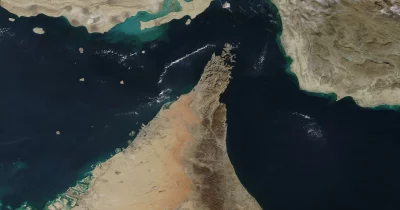
The recent declaration of the Strait of Hormuz being under US Navy control has significant implications for global oil markets and regional stability. As a critical waterway that connects the Persian Gulf to the Arabian Sea, the Strait of Hormuz is a vital passage for international oil trade, with approximately 20% of the world’s oil supply passing through it. The US Navy’s control of the strait may influence US-Iran relations, which have been strained in recent years due to disagreements over nuclear programs and regional influence.
The potential impact on global oil markets cannot be overstated, as any disruption to oil supplies passing through the Strait of Hormuz could lead to significant price increases and volatility. This, in turn, could have far-reaching consequences for the global economy, as oil is a critical component of many industries, including transportation, manufacturing, and energy production. Furthermore, the situation is being closely watched by investors and traders in the cryptocurrency and DeFi spaces, as the potential for increased market volatility could lead to increased demand for safe-haven assets such as Bitcoin and other cryptocurrencies.
In the context of DeFi, the situation in the Strait of Hormuz highlights the importance of decentralized finance systems that are less susceptible to geopolitical risks and market volatility. Decentralized finance platforms, such as those built on blockchain technology, offer a range of financial services and products that are not tied to traditional financial systems, and therefore may be less affected by global events such as the situation in the Strait of Hormuz. As the global economy continues to evolve and become increasingly interconnected, the importance of DeFi systems that can mitigate risks and provide stability will only continue to grow.
From a geopolitical perspective, the US Navy’s control of the Strait of Hormuz is a significant development that could have far-reaching consequences for regional stability. The situation is being closely watched by other nations in the region, including Iran, which has historically been a major player in the regional oil trade. The potential for increased tensions between the US and Iran could lead to a range of scenarios, including increased military presence, economic sanctions, and diplomatic efforts to resolve the situation. As the situation continues to unfold, it will be important to closely monitor developments in the region and their potential impact on global oil markets and the broader economy.
In conclusion, the declaration of the Strait of Hormuz being under US Navy control is a significant development that has important implications for global oil markets, regional stability, and the broader economy. As the situation continues to evolve, it will be important to closely watch developments in the region and their potential impact on the global economy, including the cryptocurrency and DeFi spaces. The potential for increased market volatility and geopolitical risks highlights the importance of decentralized finance systems that can mitigate risks and provide stability in uncertain times.

