
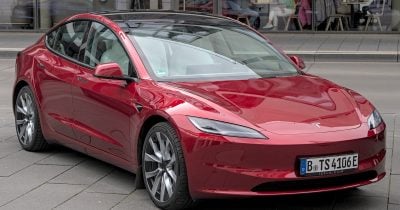
Recent speculation about a potential merger between Tesla and SpaceX has been put to rest, at least in part, after Elon Musk denied plans to sell Tesla’s China operations to facilitate such a deal. This denial has significant implications for market expectations, as it underscores the importance of Tesla’s China operations to the company’s overall strategy and valuation. Musk’s statement has helped to clarify the situation, but it also highlights the complexities and uncertainties that often surround high-profile mergers and acquisitions in the tech and automotive sectors.
Tesla’s China operations have been a key driver of the company’s growth in recent years, with the country representing a major market for electric vehicles. The company’s Shanghai factory, also known as the Gigafactory 3, has been instrumental in helping Tesla to expand its presence in the region and to reduce its production costs. As such, any potential sale of these operations would likely have significant implications for Tesla’s business and for the broader electric vehicle market. By denying plans to sell Tesla’s China operations, Musk has helped to reassure investors and to maintain confidence in the company’s long-term prospects.
The speculation about a potential Tesla-SpaceX merger has been fueled in part by Musk’s dual role as CEO of both companies. While there are clearly potential synergies between the two businesses, any merger would also pose significant challenges and complexities. For example, the two companies operate in different sectors and have different regulatory requirements, which could create challenges for integration and compliance. Additionally, a merger would likely require significant investments of time and resources, which could distract from other business priorities and create risks for investors.
From a market perspective, the denial of plans to sell Tesla’s China operations has helped to reduce speculation and uncertainty, at least in the short term. However, it also highlights the ongoing risks and challenges that are associated with investing in the tech and automotive sectors. These sectors are highly competitive and subject to rapid change, with companies constantly seeking to innovate and to stay ahead of the curve. As such, investors must be prepared to adapt to changing market conditions and to adjust their strategies accordingly. In the case of Tesla and SpaceX, investors will likely continue to watch the companies’ progress with interest, as they navigate the complexities of their respective markets and pursue their long-term goals.
In terms of blockchain and cryptocurrency, the situation with Tesla and SpaceX has implications for the broader tech sector and for the development of new technologies. For example, electric vehicles and renewable energy are likely to play a major role in the transition to a more sustainable and decentralized energy system, which could have significant implications for the development of blockchain and cryptocurrency. Additionally, the tech sector is likely to continue to drive innovation and investment in the blockchain and cryptocurrency space, as companies seek to leverage new technologies and to stay ahead of the curve.

