Hook
When a payments gateway that already moves billions of dollars a year asks regulators for a full‑service bank charter, the ripple effects reach far beyond its own balance sheet. A federally chartered institution that can mint and redeem stablecoins, hold reserves and provide custody under a single regulator could become the de‑facto gateway for retail and institutional crypto users who have been wary of fragmented service providers. In a market where trust is scarce and compliance costs are rising, MoonPay’s move may reshape where liquidity lives and who captures the fees attached to that liquidity.
What happened
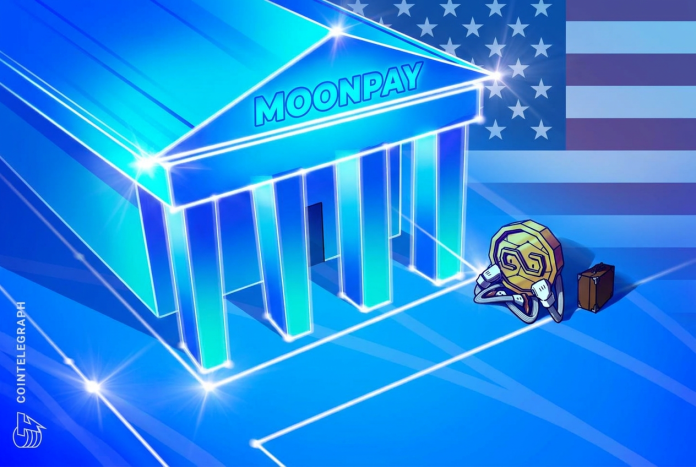
MoonPay filed an application for a national trust bank that would be authorized to issue and redeem stablecoins, manage the underlying reserves and offer custodial services for digital assets. The proposal places the entire operation under the oversight of the Office of the Comptroller of the Currency and the Federal Reserve.
Why it matters
First, stablecoin issuers that rely on third‑party custodians now face a potential competitor that can bundle issuance, reserve management and custody in a single regulated entity. This could compress margins for existing custodial platforms and push them to lower fees or seek similar charters. Second, holders of US‑dollar stablecoins gain a clearer legal footing. A MoonPay‑backed coin that is backed by a federally insured trust may attract risk‑averse investors, especially large funds that have been barred from holding unregulated tokens. Third, liquidity providers on decentralized exchanges could see a shift in where they park capital. If MoonPay offers attractive yield on its reserve pool, LPs may divert funds from on‑chain money markets to a bank‑backed pool, reducing on‑chain yield but increasing safety. Finally, traders who rely on fast fiat on‑ramps will benefit from a single‑stop solution that eliminates the need to juggle multiple providers for deposit, conversion and custody.
What to watch
We will monitor the regulator’s response to the charter request. An approval within the next six months would signal a green light for other fintechs to follow, while a rejection or prolonged delay could stall the integration of traditional banking and crypto. The second signal is the launch of any MoonPay stablecoin product. Early adoption numbers, especially from institutional wallets, will reveal whether the market values the regulatory shield enough to shift volume. The third indicator is the fee structure MoonPay announces for its custody and redemption services. Competitive pricing could force legacy custodians to adjust, while premium fees might limit adoption to only the most compliance‑driven participants.
Bottom line
MoonPay’s bank charter could tilt the stablecoin arena toward regulated providers, rewarding risk‑averse capital and squeezing unregulated custodians.