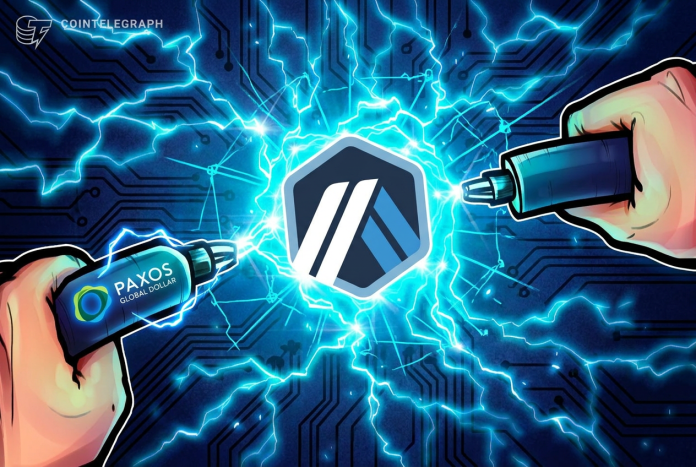
The regulated stablecoin landscape continues to evolve as Paxos brings its USDG token to the Arbitrum network marking a significant milestone for both the issuer and the layer two ecosystem. This deployment introduces a fully reserved dollar denominated asset backed by a regulated trust charter directly into one of Ethereum’s most active scaling solutions. The move signals growing institutional confidence in Arbitrum as a primary venue for compliant digital asset activity.
USDG enters a competitive environment where established players such as USDC and USDT already command substantial liquidity across multiple chains. However Paxos differentiates its offering through a New York trust company charter that subjects the stablecoin to rigorous oversight including regular attestations and bankruptcy remote asset segregation. This regulatory framework appeals to enterprises and financial institutions that require clear legal certainty before deploying capital at scale. The Arbitrum deployment extends this value proposition to a high throughput low cost environment that has become a hub for decentralized finance innovation.
The Arbitrum DAO has proposed a substantial incentive package totaling one hundred million ARB tokens to bootstrap adoption and liquidity for USDG across the network. This allocation represents one of the largest single asset incentive programs in the protocol’s history and underscores the strategic importance placed on diversifying the stablecoin stack available to builders and users. The incentives are expected to target key liquidity pools lending markets and payment applications creating immediate utility for the newly bridged asset.
From a technical perspective the integration leverages Arbitrum’s optimistic rollup architecture which inherits Ethereum’s security while delivering transaction costs that are a fraction of mainnet fees. This cost efficiency is particularly valuable for stablecoin use cases such as remittances treasury management and high frequency trading where margins are thin. The USDG smart contracts have undergone comprehensive audits and the minting redemption infrastructure connects directly to Paxos’ regulated banking partners ensuring seamless fiat on and off ramps for qualified participants.
The competitive dynamics warrant close observation. Circle’s USDC maintains dominant market share on Arbitrum benefiting from first mover advantage and deep integration across major protocols. Tether’s USDT continues to lead in global volumes despite regulatory scrutiny in certain jurisdictions. USDG’s regulated trust structure positions it uniquely for institutional adoption particularly among entities that require a New York regulated counterparty. The incentive program could accelerate the transition from a two horse race to a more diversified stablecoin marketplace on Arbitrum.
Market participants should monitor several key metrics in the coming months. Liquidity depth in major trading pairs will indicate whether the incentives successfully attract sustainable capital or merely mercenary flows. Integration velocity across lending protocols decentralized exchanges and payment applications will reveal developer confidence in the asset’s long term viability. Finally the regulatory trajectory for stablecoins in the United States could either amplify USDG’s competitive moat or introduce new compliance burdens that affect all issuers equally.
This launch represents more than a simple chain deployment. It reflects a maturing stablecoin market where regulatory compliance technical scalability and ecosystem incentives converge to shape the next generation of digital dollar infrastructure. As Arbitrum continues to cement its position as a premier layer two for institutional DeFi the addition of a trust chartered stablecoin strengthens the network’s value proposition for serious capital allocation. The coming quarters will reveal whether this strategic alignment translates into durable market share and meaningful onchain economic activity.