
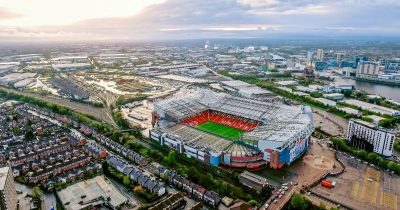
The English Premier League has released a revised calendar for October and November 2026, a move that underscores the continuing tension between television rights holders, European competition commitments, and the logistical realities faced by supporters. By reshuffling matchdays, the league aims to protect the integrity of the domestic season while accommodating the growing appetite of global broadcasters for prime‑time fixtures.
Broadcast partners have become an increasingly powerful force in modern football, often dictating when games are played to maximise viewership across disparate time zones. The latest fixture adjustments reflect a strategic compromise that seeks to balance the lucrative revenue streams from overseas markets with the need to preserve competitive fairness. Clubs with European obligations, such as those competing in the UEFA Champions League or Europa League, benefit from the new schedule as it reduces the risk of congested matchweeks that can lead to player fatigue and injury.
From a fan perspective, the altered dates aim to minimize travel disruption and improve matchday attendance. Supporters who juggle work commitments and long‑distance travel will find the revised timetable more accommodating, especially when high‑profile games are shifted to evenings that align with typical work schedules. This consideration is critical for maintaining the stadium atmosphere that remains a cornerstone of the Premier League’s brand value.
Beyond the traditional football ecosystem, the fixture changes have implications for the burgeoning crypto and DeFi sectors linked to sports. Tokenized ticket platforms, which rely on predictable match schedules to issue and trade digital assets, will need to update their smart contracts to reflect the new dates. Likewise, decentralized prediction markets that offer futures on match outcomes must adjust their settlement timelines, potentially influencing liquidity and price volatility in related token pools.
Analysts note that the league’s proactive approach to schedule management may set a precedent for other top‑tier competitions. By openly communicating changes well in advance, the Premier League reduces uncertainty for betting operators, fantasy sports platforms, and blockchain‑based fan engagement tools. This transparency can foster greater trust among stakeholders and may encourage further integration of DeFi solutions within the football industry.
While the revised calendar addresses immediate concerns, it also highlights the broader challenge of synchronising domestic leagues with international tournaments. As the football calendar becomes increasingly crowded, future fixture negotiations will likely involve more sophisticated data modelling, perhaps leveraging blockchain analytics to forecast optimal match windows. Such innovations could streamline coordination between leagues, governing bodies, and broadcasters, delivering a smoother experience for fans worldwide.
In summary, the October and November 2026 fixture revisions represent a calculated effort to balance commercial imperatives, competitive integrity, and fan convenience. The changes also serve as a reminder of the interconnected nature of modern sport, where traditional scheduling decisions ripple through emerging crypto and DeFi ecosystems.

