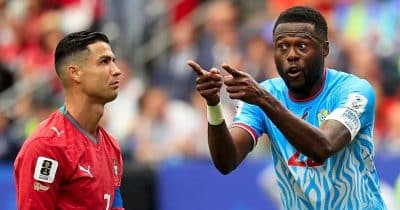
When Portugal’s head coach Roberto Martínez faced criticism over his decision to keep Cristiano Ronaldo on the pitch during the World Cup draw, he didn’t back down. Instead, Martínez used the moment to underscore his long‑term vision for the national team and to reassure fans that the current lineup is part of a broader strategy to blend experience with emerging talent.
Martínez’s stance is rooted in a pragmatic assessment of Ronaldo’s match‑making ability. Despite the player’s advanced age, the veteran forward’s leadership and ability to unlock defenses remain invaluable in high‑stakes tournaments. Martínez argued that removing Ronaldo would deprive the squad of a pivotal playmaker and could disrupt the team’s rhythm at a critical juncture.
Beyond the on‑field decision, the coach highlighted the need for a transitional period. Portugal has been navigating a generational shift, integrating newer players who have excelled in domestic leagues and European competitions. Martínez’s comments suggest that retaining seasoned players like Ronaldo is essential for mentoring the next wave of talent while maintaining competitive performance.
Strategically, this approach mirrors the methodology many meme‑coin projects employ: balancing legacy assets with innovative developments to sustain growth. Just as a meme coin might preserve a core token that drives community engagement while launching new features, Martínez aims to preserve the core strengths of the national team while introducing fresh dynamics.
Industry observers note that this strategy could yield long‑term dividends. By keeping a star player active, Martínez preserves a continuity of experience that can be leveraged during critical match moments. Simultaneously, the younger squad gets exposure to high‑pressure environments, accelerating their development without the risk of being sidelined entirely.
Critics, however, argue that overreliance on a single player could stifle tactical flexibility. They point out that modern football increasingly rewards depth and versatility. Martínez’s defense, therefore, also underscores his willingness to adapt formations and roles to accommodate both veteran influence and youthful vigor.
In the broader context of sports management, this debate echoes prevailing trends in the crypto and meme‑coin ecosystems. The tension between preserving legacy assets and pursuing disruptive innovation is a common theme. Leaders in both arenas must decide when to retain foundational elements and when to pivot toward new opportunities.
Looking ahead, Portugal’s lineup will likely evolve. The upcoming fixtures provide a testing ground for Martínez’s hybrid strategy. Success will depend on his ability to integrate the team’s seasoned core with emerging talents, ensuring that both the short‑term competitive edge and the long‑term developmental pipeline remain robust.
For fans and analysts alike, Martínez’s firm defense of Ronaldo’s inclusion serves as a reminder that strategic decisions in football, much like in the volatile world of meme coins, require a delicate balance of risk management, legacy preservation, and forward‑looking innovation.