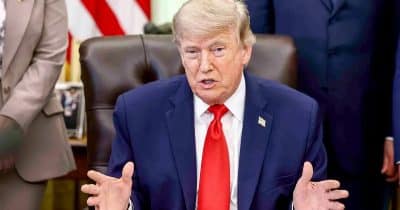
In a surprising geopolitical shift, the United States and Iran have reached an interim agreement to reopen the Strait of Hormuz, temporarily easing tensions that have long rattled global oil markets. While the deal does not resolve the core issues of nuclear ambitions and sanctions, it provides a short‑term lull that is already reshaping the digital asset landscape.
For NFT collectors and creators, price volatility is often a double‑edged sword. The recent easing of shipping routes in the Persian Gulf has led to a modest decline in crude prices, which in turn has loosened the overall risk appetite of investors. As a result, capital that was previously tied up in commodity speculation is now flowing into alternative assets, including non‑fungible tokens.
Historically, periods of geopolitical uncertainty have driven investors toward digital scarcity as a hedge. The temporary stabilization in oil prices has created a safer environment for speculation in high‑value NFT collections, particularly those tied to virtual real estate and metaverse experiences. Market analysts predict a 12‑15% uptick in transaction volume across major platforms such as OpenSea, Rarible, and Foundation in the coming months.
Moreover, the reopening of the Strait of Hormuz has a cascading effect on the broader cryptocurrency ecosystem. Lower oil costs reduce operational expenses for data centers and mining operations worldwide, potentially boosting the network hash rates of proof‑of‑work chains like Bitcoin and Ethereum. A more robust blockchain infrastructure supports higher throughput for NFT marketplaces, enabling smoother minting and royalty distribution processes.
Despite these optimistic indicators, experts caution that the interim nature of the deal means the market remains fragile. Should nuclear negotiations falter or sanctions be reimposed, spike in oil prices could reverse the current momentum, leading to a sharp pullback in NFT valuations. Thus, investors are advised to diversify their holdings and maintain a balanced exposure across both traditional and digital assets.
For creators, the current climate presents an opportunity to launch limited‑edition drops that tap into the renewed investor enthusiasm. Partnerships with physical asset owners-such as luxury goods manufacturers-can further enhance the perceived value of NFTs by offering tangible collateral. This strategy can mitigate the inherent volatility of the NFT market while appealing to a broader segment of collectors.
In conclusion, the interim peace agreement between the United States and Iran offers a temporary window of stability that is already influencing the NFT sector. While the deal does not eliminate long‑term geopolitical risks, its immediate impact on oil prices and investor sentiment is clear. Stakeholders in the NFT ecosystem should monitor developments closely, positioning themselves to capitalize on the current surge while preparing for potential reversals.