
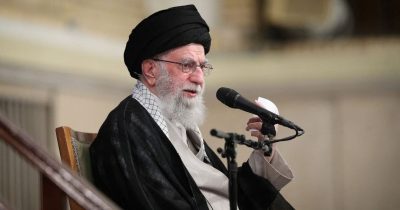
The recent flare-up in diplomatic talks between Washington and Tehran has taken on new urgency as Iran’s top leadership undergoes a profound transition. With the death of Supreme Leader Ali Khamenei and the appointment of a new senior official, the United States has seized the opportunity to push for a firmer stance on sanctions relief and regional security agreements.
For years, Iranian leadership has been a key pivot in shaping the country’s foreign policy. The abrupt change in the top echelons of power has created a perception of uncertainty that Washington is ready to exploit. By aligning its messaging with the internal shifts, the U.S. government has added weight to its demands for compliance with nuclear non‑proliferation norms and a reduction of aggressive rhetoric toward Israel and Saudi Arabia.
From a geopolitical perspective, a successful negotiation could recalibrate the balance of power across the Middle East. A more compliant Iran might open doors for renewed cooperation on maritime security in the Persian Gulf, while also easing pressure on regional allies such as Iraq and Bahrain. Conversely, a stalemate could deepen a regional arms race and push Iran further toward non‑traditional security partnerships.
Beyond the political arena, the implications for the cryptocurrency ecosystem are significant. Iran has historically positioned itself as a haven for crypto enthusiasts looking to circumvent Western sanctions. A shift toward a more open policy could accelerate the integration of blockchain technologies into the Iranian economy, potentially creating a new market for digital assets and a set of regulatory standards that resonate with global investors.
For meme coin projects, which thrive on rapid market sentiment shifts, the current environment presents both risk and opportunity. Heightened scrutiny from international regulators could prompt stricter compliance requirements for token issuers operating in or trading with Iranian entities. At the same time, a more stable diplomatic climate might unlock cross‑border liquidity and open new trading venues for high‑velocity tokens.
Analysts predict that any substantive change in U.S. sanctions policy will ripple through the broader crypto market. Investors will watch closely for signals that could affect the flow of capital into the region, as well as the legal landscape for exchange operations that might choose to list tokens with Iranian exposure. The interplay between geopolitical developments and the evolving regulatory framework will shape investor confidence for months to come.
In summary, the convergence of a leadership transition in Iran, the death of a long‑standing Supreme Leader, and the current momentum in U.S. diplomatic outreach signals a turning point for Middle East politics and the global crypto market. Stakeholders across the board-from policymakers to token traders-must remain vigilant as the next chapter unfolds.

