
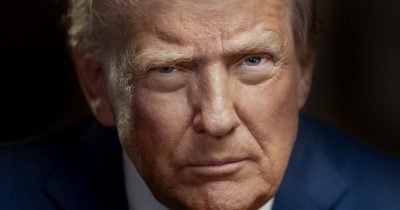
The volatile and often unpredictable world of meme coins has once again captured significant attention, this time through a recent financial disclosure detailing substantial royalties linked to a prominent political figure. This report, indicating an estimated $635 million in earnings from meme coin ventures, has ignited a crucial conversation within the digital asset ecosystem regarding market integrity, insider influence, and the protection of retail investors.
The emergence of political meme coins has become a distinct sub-sector within the broader cryptocurrency market. These tokens, often created around specific political figures, slogans, or events, thrive on social media virality and community speculation. Unlike traditional cryptocurrencies that aim to solve specific technological problems or offer utility, political meme coins are driven primarily by sentiment, hype, and the potential for rapid price swings. Their value proposition is almost entirely tied to cultural relevance and the ebb and flow of public perception, making them inherently high-risk, high-reward assets.
The reported $635 million in royalties underscores the immense financial potential, and indeed the sometimes staggering profitability, that can materialize within this highly speculative segment. While the exact mechanics of how such royalties are generated (whether through direct ownership, promotional activities, or other arrangements) often remain opaque, the sheer magnitude of the figure raises pertinent questions. It highlights a burgeoning intersection between high-profile public figures and the decentralized finance space, creating a new dynamic that warrants close scrutiny from both market participants and regulators.
A primary concern arising from such disclosures is the potential for information asymmetry and insider advantage. When individuals with significant public influence are perceived to be directly benefiting from specific digital assets, it can create an uneven playing field. Retail investors, often drawn in by the allure of quick gains or a sense of community around a political movement, might lack the sophisticated understanding of market dynamics or the access to privileged information that could influence token values. This disparity can lead to situations where early participants or those with direct connections profit immensely, while later entrants bear the brunt of market corrections or speculative bubbles.
The broader implications for the crypto market’s reputation and long-term viability are also significant. Events that suggest a lack of transparency or potential for manipulation can erode public trust, making it harder for the industry to achieve mainstream acceptance and regulatory clarity. For a sector that prides itself on decentralization and open access, the perception of an insider-dominated landscape runs counter to its core tenets. This incident serves as a stark reminder of the ethical considerations and governance challenges inherent in a rapidly evolving financial frontier.
Moving forward, the crypto community and regulatory bodies must continue to grapple with these complexities. Enhanced transparency requirements, clearer guidelines for public figures engaging with digital assets, and robust educational initiatives for retail investors are all critical steps. As political meme coins continue to proliferate and attract capital, ensuring a fair and equitable market environment becomes paramount. Investors are urged to exercise extreme caution, conduct thorough due diligence, and understand the inherent risks associated with highly speculative assets, particularly those influenced by political currents and celebrity endorsements.

