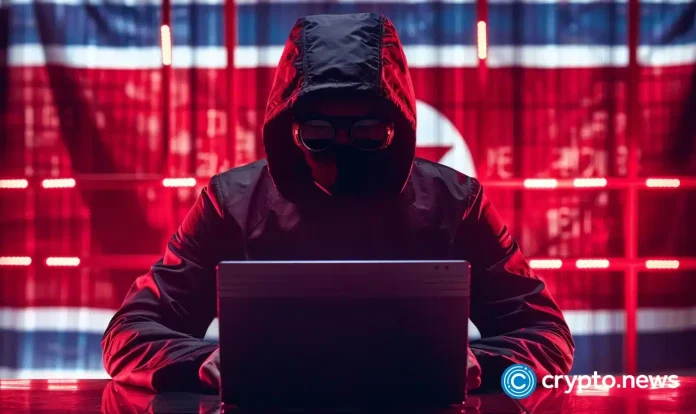
The world of cryptocurrency and decentralized finance is no stranger to security breaches and hacking attempts, with many high-profile cases making headlines in recent years. One such incident involves a North Korea-linked consultant who gained access to the systems of a prominent Ethereum software company, forcing the company to temporarily halt product releases. This incident highlights the importance of robust security measures and thorough background checks in the crypto space, particularly when it comes to hiring developers and consultants.
According to reports, the consultant in question joined the company under an alias and had access to its systems for approximately one month. During this time, it is unclear what specific actions the consultant took or what data they may have accessed. However, the company’s decision to halt product releases suggests that the breach may have had significant implications for its operations and security. The incident also raises questions about the effectiveness of the company’s security protocols and its ability to detect and respond to potential threats in a timely manner.
The crypto space is known for its fast-paced and often unpredictable nature, with new technologies and innovations emerging on a regular basis. While this can be exciting for investors and enthusiasts, it also creates opportunities for malicious actors to exploit vulnerabilities and carry out hacking attempts. Meme coins, in particular, have been vulnerable to pumping and dumping schemes, as well as other forms of manipulation. As such, it is essential for companies and individuals operating in the crypto space to prioritize security and take proactive steps to protect themselves and their assets.
In the context of the broader crypto market, the incident involving the North Korea-linked consultant serves as a reminder of the importance of vigilance and caution. As the space continues to evolve and mature, it is likely that we will see more sophisticated and targeted attacks, particularly from nation-state actors. To mitigate these risks, companies and individuals must invest in robust security measures, including advanced threat detection systems and rigorous background checks for employees and consultants. By taking a proactive and comprehensive approach to security, the crypto space can reduce its vulnerability to hacking attempts and other forms of exploitation.
From a regulatory perspective, the incident also highlights the need for clearer guidelines and standards for security protocols in the crypto space. While many companies are taking steps to improve their security, there is still a lack of consistency and coordination across the industry. As such, regulators and industry leaders must work together to establish common standards and best practices for security, particularly when it comes to hiring and background checks. By doing so, we can create a safer and more secure environment for investors and enthusiasts, and help to build trust and confidence in the crypto space.