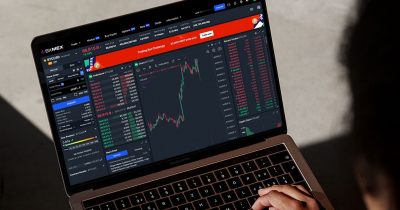
One of the most influential platforms in cryptocurrency derivatives is preparing to shutter its operations after more than a decade of dominance, signaling a pivotal shift in the industry’s approach to leverage trading. BitMEX, a pioneer in crypto futures and perpetual swaps, announced it will cease all trading activities by September 23, 2026, marking the conclusion of its historic run. The decision reflects both regulatory pressures and the rapidly evolving competitive landscape that has reshaped how traders engage with digital assets.
The platform’s decline is emblematic of broader trends in the derivatives market, where centralized exchanges have struggled to maintain relevance against decentralized alternatives and more compliant competitors. BitMEX once handled over $10 billion in daily volume at its peak, but its influence has waned significantly in recent years. Regulatory scrutiny, particularly from U.S. authorities, has played a crucial role in its diminishing market share, as compliance costs and legal challenges forced the exchange to adapt or risk obsolescence. The decision to wind down operations underscores the challenges faced by early movers in a space that has matured far beyond their initial frameworks.
Founded in 2014, BitMEX became synonymous with high-leverage trading, offering up to 100x margin on Bitcoin and other cryptocurrencies. Its zero-fee model and innovative products attracted a global audience, but the platform’s reputation was also marred by allegations of market manipulation and lax risk management. The 2020 CFTC lawsuit, which resulted in a $100 million fine, served as a turning point, exposing vulnerabilities in its operational model. Since then, the exchange has attempted to pivot toward compliance, but the damage to its brand and market position proved irreversible.
The closure of BitMEX represents more than just the end of a single platform it reflects the maturation of the crypto derivatives market. Modern traders now have access to a wider array of regulated exchanges, decentralized perpetual futures protocols, and institutional-grade products that prioritize transparency and security. Platforms like Binance, Bybit, and newer DeFi derivatives venues have filled the void, offering competitive leverage, lower fees, and improved risk controls. Meanwhile, regulators worldwide have tightened oversight, pushing derivatives trading toward more compliant frameworks that prioritize investor protection over speculative excess.
For long-time users of BitMEX, the shutdown will evoke nostalgia for an era when crypto derivatives were a Wild West of unchecked leverage and astronomical returns. However, the industry’s evolution suggests that such conditions were unsustainable. The rise of smart contract-based derivatives on Ethereum, Solana, and other blockchains has democratized access to leverage trading while reducing reliance on centralized intermediaries. These innovations have introduced new risks but also greater transparency, as on-chain activity is publicly verifiable. As BitMEX fades into history, its legacy serves as a cautionary tale about the dangers of unchecked speculation and the inevitability of regulatory oversight in financial markets.
The shutdown also raises questions about the future of legacy crypto exchanges. While BitMEX’s decline was accelerated by regulatory pressure, other early platforms face similar challenges as the industry shifts toward decentralization and compliance. The closure may accelerate consolidation in the derivatives sector, with regulated entities gaining dominance at the expense of older, less compliant players. For traders, the transition underscores the importance of adopting platforms that balance innovation with risk management and regulatory adherence.