
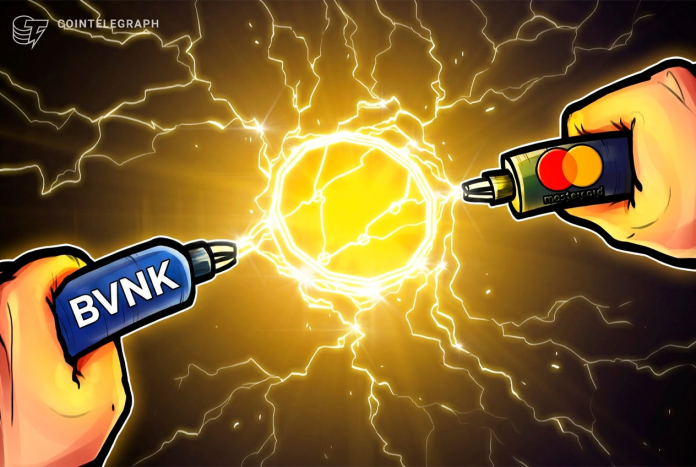
Major players in the financial industry are continually seeking ways to enhance their services and stay ahead of the competition, and one way to achieve this is through strategic acquisitions. A recent example of this is the completion of a significant acquisition by a major payment processor, which is expected to play a crucial role in the company’s push into the stablecoin market. The acquisition, which was valued at $1.8 billion, is anticipated to help banks, fintech companies, and enterprises expand their stablecoin-related services, including payments, payouts, settlement, and treasury services.
The stablecoin market has experienced significant growth in recent years, driven by the increasing demand for digital currencies that can mitigate the volatility associated with other cryptocurrencies. As a result, companies are looking for ways to capitalize on this trend and provide their customers with a wide range of stablecoin-related services. The acquisition is expected to provide the payment processor with the necessary expertise and technology to achieve this goal and establish itself as a major player in the stablecoin market.
The integration of the acquired company’s technology and expertise is expected to enable the payment processor to offer a more comprehensive range of services to its customers, including the ability to issue, distribute, and settle stablecoins. This is expected to be particularly beneficial for banks and fintech companies, which will be able to leverage the payment processor’s services to provide their customers with stablecoin-related products and services. Additionally, the acquisition is expected to enable the payment processor to expand its reach into new markets and geographies, further solidifying its position as a leader in the global payments industry.
The acquisition is also expected to have a positive impact on the broader blockchain and cryptocurrency ecosystem, as it is likely to drive increased adoption and innovation in the stablecoin market. As more companies enter the market and provide stablecoin-related services, it is likely that we will see significant advancements in terms of technology, regulation, and user experience. This, in turn, is expected to drive further growth and investment in the market, creating new opportunities for companies and individuals alike.
In terms of the regulatory environment, the acquisition is expected to be subject to close scrutiny from regulators, who will be keen to ensure that the payment processor’s stablecoin-related services comply with all relevant laws and regulations. This is particularly important in the context of anti-money laundering and know-your-customer regulations, which are critical to preventing the misuse of stablecoins and other digital currencies. As the payment processor navigates this complex regulatory landscape, it will be important for the company to prioritize transparency, compliance, and consumer protection.

