
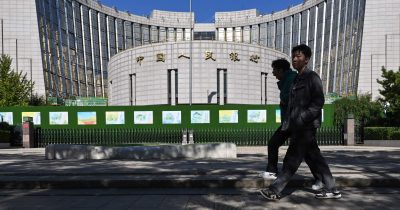
In July China’s banking sector reported a net new loan figure that was $50 billion lower than the previous month, marking the third consecutive decline in loan growth this century. The contraction in credit issuance is a clear signal that the world’s second‑largest economy may be entering a period of slower expansion, a development that resonates deeply with investors in decentralized finance and cryptocurrency markets.
The reduction in new loans reflects a combination of tighter monetary policy, lingering effects of the pandemic, and a cautious corporate outlook. Chinese firms, especially those in heavy‑industry and real‑estate, have been scaling back capital expenditures as demand eases, while consumers show heightened sensitivity to borrowing costs. This environment reduces the appetite for traditional bank financing and pushes both businesses and individuals toward alternative sources of liquidity.
For the DeFi sector, the slowdown in China’s loan market carries several implications. A contraction in fiat credit can increase demand for stablecoins and other crypto‑backed lending products, as borrowers seek more flexible or lower‑cost financing solutions. Moreover, reduced liquidity in the traditional banking system can drive capital toward decentralized platforms that offer higher yields and fewer regulatory constraints.
Global investors are watching China’s credit metrics closely because the country’s economic health influences capital flows across emerging markets. A sustained decline in loan growth may lead to capital outflows, putting pressure on foreign exchange reserves and potentially prompting a reallocation of assets toward crypto assets that are perceived as hedges against fiat currency volatility. This dynamic has already been reflected in recent price movements of major cryptocurrencies, which have shown increased correlation with macroeconomic indicators.
Analysts also warn that the slowdown could exacerbate existing challenges in China’s property sector, a key driver of domestic growth. With developers facing tighter financing conditions, the risk of defaults rises, which in turn could impact the broader financial system and investor confidence. In the DeFi space, heightened risk perception may accelerate the adoption of decentralized insurance protocols that aim to protect participants from systemic shocks.
Policy makers in Beijing have hinted at possible stimulus measures, but the efficacy of such actions remains uncertain. Should the government introduce targeted credit facilities or lower reserve requirements, the immediate effect could be a modest rebound in loan issuance. However, structural reforms that address the underlying demand side, such as boosting consumer confidence and supporting small‑and‑medium enterprises, are likely required for a sustained recovery.
In summary, the $50 billion drop in net new loans for July underscores a broader slowdown in China’s economic momentum, a trend that reverberates through traditional finance and the burgeoning DeFi ecosystem. Market participants should monitor upcoming policy signals, corporate earnings, and consumer sentiment data to gauge whether the credit contraction is a temporary blip or the onset of a more prolonged deceleration.

