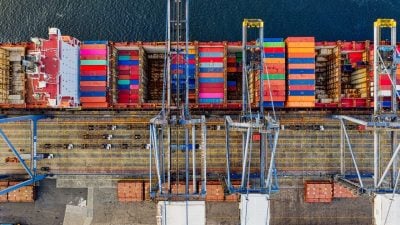
In a decisive diplomatic move, Turkey called in the Ukrainian ambassador on Wednesday following a series of unmanned aerial vehicle strikes that damaged cargo vessels navigating the Black Sea. The Turkish foreign ministry described the attacks as a breach of international maritime safety and warned that continued aggression could destabilize a region already strained by geopolitical conflict.
The Black Sea corridor is a vital artery for the transport of energy commodities, grain, and raw materials between Europe, the Caucasus, and the Middle East. Disruptions to this route have immediate repercussions for global supply chains, commodity pricing, and the broader financial ecosystem. When drones targeted commercial ships, the incident sparked concerns among shipping firms, insurers, and investors who monitor the flow of goods that underpin many blockchain‑based trade finance platforms.
Turkey’s response reflects its strategic interest in preserving the free flow of trade through the Bosphorus strait, a chokepoint that handles roughly 70 percent of the world’s maritime oil shipments. By summoning the Ukrainian envoy, Ankara signaled that it will not tolerate actions that threaten the safety of vessels under its jurisdiction, even as it balances a complex relationship with both Kyiv and Moscow.
Analysts note that the escalation could reverberate through the cryptocurrency market, particularly for tokens linked to logistics and commodity‑backed stablecoins. Projects that tokenize freight contracts rely on predictable shipping schedules and transparent documentation. Any interruption in the Black Sea supply chain introduces risk premiums that can depress token valuations and deter institutional participation in decentralized finance (DeFi) protocols that expose users to commodity price volatility.
From a broader economic perspective, the drone attacks have already prompted a modest spike in freight rates as carriers factor in heightened security costs and potential rerouting. Grain exporters, especially those from Ukraine and Russia, face pressure to find alternative pathways, which could shift trade flows toward the Mediterranean or overland routes. Such shifts may increase transaction costs and extend settlement times, challenges that blockchain solutions aim to mitigate through faster cross‑border payments.
Turkey’s diplomatic outreach also underscores the importance of multilateral mechanisms such as the Black Sea Grain Initiative, which was designed to keep agricultural exports moving despite the ongoing war. Any breach of the initiative’s guarantees risks undermining confidence in international agreements, a factor that can spill over into the governance models of decentralized networks that depend on consensus and trust.
Security experts suggest that the use of drones in maritime environments marks a new frontier in asymmetric warfare. The low cost and relative anonymity of these platforms make them attractive tools for actors seeking to disrupt high‑value shipping lanes without committing large naval forces. Nations and private entities are therefore accelerating the development of counter‑UAV technologies, including radar‑based detection systems and AI‑driven response protocols, many of which are being explored within the blockchain community for secure data sharing and immutable incident reporting.
In the short term, market participants should monitor Turkey’s diplomatic communications for any escalation or de‑escalation signals. Investors in shipping‑related tokens, grain‑backed stablecoins, and DeFi platforms that integrate real‑world assets may need to adjust risk models to account for heightened geopolitical uncertainty. Meanwhile, policymakers are likely to press for clearer rules of engagement in the Black Sea to protect both conventional and digital trade ecosystems.
Overall, the incident highlights how regional conflicts can cascade into global financial markets, affecting everything from container freight rates to the valuation of blockchain assets that depend on physical commodity flows. Maintaining open dialogue and robust security measures will be essential to safeguard the interconnected web of trade, finance, and technology that defines the modern economy.