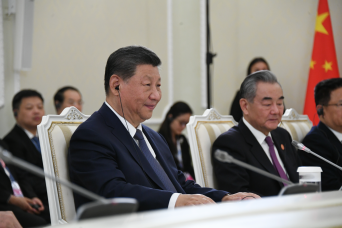
In recent remarks, China’s President Xi Jinping expressed optimism about the prospect of deeper cooperation between the United States and China under the current administration. While the comments were made in a broader geopolitical context, they carry significant implications for the cryptocurrency and decentralized finance (DeFi) ecosystems that thrive on cross‑border liquidity and regulatory clarity.
Analysts note that a thaw in US‑China relations could reduce the volatility that has plagued global markets in recent years. For crypto investors, lower geopolitical risk translates into more predictable price movements, which in turn encourages institutional participation. The prospect of coordinated monetary policy or joint efforts to address illicit finance would also provide a stronger foundation for the emerging DeFi sector.
One of the most immediate benefits of improved diplomatic ties would be the easing of sanctions and trade restrictions that currently limit the flow of digital assets across the Pacific. A more open environment would enable Chinese exchanges and DeFi platforms to access US‑based liquidity providers, fostering a more integrated global market. This integration could accelerate the adoption of stablecoins and cross‑chain bridges, both of which are critical components of a mature DeFi infrastructure.
Regulatory harmonization is another area where US‑China cooperation could reshape the crypto landscape. Both nations have taken divergent approaches to digital asset regulation, with the United States emphasizing securities law enforcement and China focusing on capital controls. A collaborative framework could lead to the development of shared standards for anti‑money‑laundering (AML) compliance, know‑your‑customer (KYC) protocols, and consumer protection. Such standards would lower compliance costs for DeFi projects operating in multiple jurisdictions.
From a macroeconomic perspective, a stable US‑China partnership would likely support global growth, which benefits the broader crypto market. Economic expansion tends to increase disposable income and investment appetite, both of which feed demand for alternative assets like Bitcoin, Ethereum, and emerging DeFi tokens. Moreover, coordinated fiscal stimulus or infrastructure spending could boost the adoption of blockchain solutions in supply chain management, finance, and public services.
Critics caution that political rhetoric does not always translate into concrete policy changes, especially in a landscape where domestic pressures can override diplomatic goodwill. Nevertheless, the market has already responded positively to signals of reduced tension, as evidenced by recent upticks in crypto trading volumes and a narrowing of the Bitcoin‑US dollar spread. Investors are closely watching whether Xi’s optimism will be matched by actionable steps from both governments.
In summary, Xi Jinping’s hopeful outlook on US‑China cooperation offers a compelling narrative for the crypto and DeFi sectors. If diplomatic progress leads to reduced market volatility, enhanced regulatory alignment, and greater cross‑border liquidity, the sector could experience a surge in institutional capital and broader mainstream acceptance. Stakeholders in the DeFi space should monitor diplomatic developments closely, as they may dictate the next wave of growth and innovation.