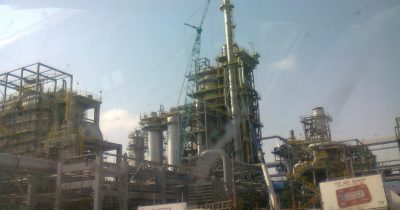
The recent escalation of tensions in the Gulf region has significant implications for global oil markets, as the persistent threat to energy assets in the area continues to pose a risk to stability. The interception of drones from Iran-backed Iraqi militias by Saudi Arabia is a stark reminder of the volatile nature of the region, where geopolitical dynamics are intricately linked to the global economy. As a result, the global oil market is facing increased uncertainty, with potential disruptions to oil infrastructure having far-reaching consequences.
The Gulf region is home to some of the world’s most significant oil-producing countries, and any disruption to oil production or transportation in the area can have a profound impact on global oil prices. The region’s energy assets, including oil fields, pipelines, and refineries, are critical to the global economy, and any threat to these assets can have significant economic implications. The use of drones by Iran-backed Iraqi militias to target oil infrastructure in Saudi Arabia is a worrying development, as it highlights the vulnerability of these assets to attack.
The rise of drone technology has made it easier for non-state actors to launch attacks on critical infrastructure, and the use of drones by Iran-backed Iraqi militias is a prime example of this trend. The fact that these drones were intercepted by Saudi Arabia is a testament to the country’s advanced defense capabilities, but it also highlights the need for increased vigilance in the face of emerging threats. As the global oil market continues to evolve, it is essential to consider the potential risks and challenges posed by regional instability and the increasing use of drone technology.
In the context of blockchain and cryptocurrency, the volatility of the global oil market can have significant implications for investors and traders. The use of blockchain technology to secure and verify transactions can provide a level of transparency and accountability, which is critical in the oil and gas industry. Furthermore, the development of cryptocurrency and decentralized finance (DeFi) platforms can provide new opportunities for investment and risk management in the energy sector. However, the intersection of blockchain, cryptocurrency, and the oil market is complex, and requires a nuanced understanding of the underlying dynamics and trends.
As tensions continue to rise in the Gulf region, it is essential to monitor the situation closely and consider the potential implications for global oil markets and the broader economy. The use of drones by Iran-backed Iraqi militias to target oil infrastructure is a worrying development, and highlights the need for increased cooperation and diplomacy to address the root causes of regional instability. In the meantime, investors and traders must remain vigilant and adaptable, using all available tools and technologies to navigate the complex and evolving landscape of the global oil market.