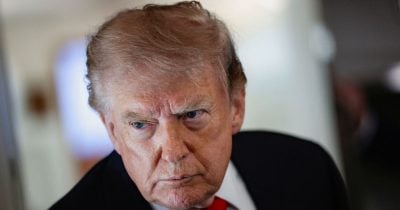
The recent statements made by the US administration regarding potential talks with Iran have sparked a significant amount of uncertainty in the global diplomatic community, with Iran denying any knowledge of such discussions. This development highlights the fragile nature of diplomatic relations between the two countries, which has been a major point of concern for market analysts and geopolitical experts. The lack of clarity surrounding these talks has also impacted market confidence, as investors and traders are left to speculate about the potential outcomes of such negotiations.
The situation is further complicated by the fact that the US administration has been actively pursuing a campaign of maximum pressure against Iran, which has led to a significant escalation of tensions between the two countries. The use of economic sanctions and other forms of diplomatic pressure has had a major impact on Iran’s economy, and has also contributed to the current uncertainty surrounding the potential talks. As a result, many experts are questioning the likelihood of a successful outcome, and are instead focusing on the potential risks and challenges associated with such negotiations.
In terms of the potential impact on the blockchain and cryptocurrency space, the uncertainty surrounding US-Iran relations could have significant implications for the global economy and financial markets. The use of cryptocurrencies such as Bitcoin has been on the rise in Iran, as individuals and businesses seek to circumvent the economic sanctions and access international markets. However, the lack of clarity surrounding the potential talks and the ongoing tensions between the two countries could lead to increased volatility in the cryptocurrency markets, and could also impact the adoption and use of blockchain technology in the region.
From a broader perspective, the situation highlights the need for greater clarity and transparency in international diplomacy, particularly when it comes to issues related to economic sanctions and trade agreements. The use of blockchain technology and cryptocurrencies has the potential to play a major role in promoting greater transparency and accountability in international trade, and could also help to reduce the risks associated with economic sanctions and other forms of diplomatic pressure. However, this will require a more coordinated and collaborative approach from governments and international organizations, as well as greater investment in the development and implementation of blockchain-based solutions.
In conclusion, the recent developments surrounding US-Iran relations have significant implications for the global economy, financial markets, and the blockchain and cryptocurrency space. As the situation continues to evolve, it will be important to monitor the potential impacts on market confidence, geopolitical stability, and the adoption and use of blockchain technology and cryptocurrencies. By promoting greater transparency and accountability in international diplomacy, and by leveraging the potential of blockchain technology, it may be possible to reduce the risks associated with economic sanctions and other forms of diplomatic pressure, and to promote greater stability and cooperation in the region.