
The sudden death of Iran’s Supreme Leader, Ayatollah Ali Khamenei, has thrown the nation into a period of uncertainty that is already reverberating across global financial markets. Analysts warn that any shift in Iran’s political structure could alter longstanding sanctions regimes and affect oil trade routes, thereby influencing investor sentiment worldwide.
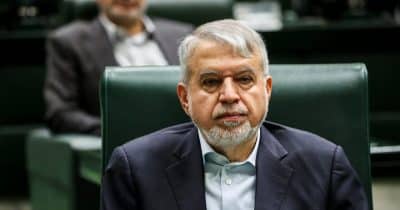
In the midst of this turmoil, former Tehran City Council member Masoud Pezeshkian has publicly urged Iranians to set aside divisions and move forward together. His appeal comes at a time when the country’s internal politics are in flux, and his message has been interpreted by some as a call for stability that could mitigate economic shocks.
Crypto traders are closely watching the unfolding events, with a noticeable dip in major exchange listings and a surge in volatility across the sector. Bitcoin fell by 4.2 percent early Thursday, while Ethereum slipped 3.6 percent, and market breadth widened as a majority of altcoins trended downward. Meme coins, which often thrive on speculative fervor, experienced a sharper decline, with Dogecoin dropping 6.5 percent and Shiba Inu falling 5.8 percent.
Geopolitical uncertainty tends to dampen risk appetite among retail and institutional investors alike. In the case of meme coins, the effect is amplified because these assets are perceived to be highly correlated with market sentiment. When headlines shift from positive to uncertain, the speculative bubble that fuels meme coin price surges can deflate quickly, leading to rapid sell‑offs. The current situation in Iran has prompted many traders to reallocate toward safer assets, such as stablecoins, or to liquidate holdings in high‑volatility tokens.
Beyond short‑term price swings, the leadership transition could influence the regulatory trajectory of crypto in Iran. The new administration will likely reassess the country’s approach to digital assets, potentially tightening compliance requirements on exchanges that operate within its jurisdiction. If stricter controls are imposed, foreign traders may face higher barriers to entry, which could reduce liquidity for Iranian‑based crypto projects and shift the focus toward jurisdictions with more favorable regulatory frameworks.
Investors looking to navigate this environment should remain vigilant about macro‑economic indicators and monitor how the Iranian government’s policy decisions unfold. Diversifying exposure, maintaining a balanced risk profile, and staying informed about regulatory changes will be essential strategies for staying resilient in the face of this unprecedented political transition.

