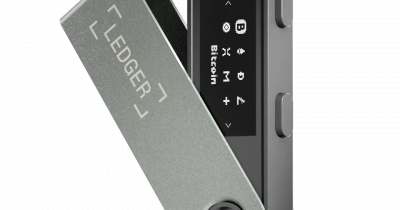
Hardware wallet manufacturer Ledger has deployed a security patch addressing a vulnerability discovered within the Ethereum application signing flows on its devices. The flaw, which affected the way transaction data is presented and verified during the signing process, represents a significant development in the ongoing effort to secure self-custody infrastructure for decentralized finance participants. Security researchers identified the issue during routine auditing procedures and coordinated disclosure with the Ledger team to ensure a responsible remediation timeline.
The vulnerability centered on a discrepancy between the transaction details displayed on the device screen and the actual payload being signed by the secure element. In specific edge cases involving complex contract interactions, the parsing logic could misrepresent function parameters or token amounts, potentially leading users to approve malicious transactions unknowingly. This class of attack, often referred to as a blind signing exploit, has historically been a primary vector for draining funds from hardware wallets despite their otherwise robust security architecture.
Ledger responded by releasing firmware version 2.1.0 for the Nano S Plus and Nano X devices, alongside an updated Ethereum application version 1.9.20. The patch introduces enhanced parsing validation for EIP-712 typed data structures and improves the rendering of ERC-20 token metadata during approval flows. Users are strongly encouraged to update both device firmware and the Ethereum application through Ledger Live to ensure complete protection against the identified attack vectors.
This incident highlights the persistent challenges facing hardware wallet manufacturers as they navigate the increasing complexity of DeFi protocols. The proliferation of multi-step transactions, permit signatures, and account abstraction implementations has expanded the attack surface for parsing logic vulnerabilities. While the secure element architecture remains fundamentally sound, the interpretation layer that bridges human-readable displays and machine-executable payloads continues to require rigorous scrutiny.
The broader implications for the DeFi ecosystem are substantial. As institutional adoption accelerates and retail users manage increasingly diverse portfolios across multiple chains, the reliability of transaction verification becomes paramount. This vulnerability serves as a reminder that security is not a static achievement but an ongoing process requiring continuous investment in auditing, formal verification, and transparent communication with the user community.
Industry observers note that Ledger’s coordinated disclosure approach and rapid patch deployment reflect maturing security practices within the hardware wallet sector. The company engaged with external security firms for independent validation of the fix and published detailed technical documentation explaining the root cause and remediation steps. This level of transparency helps maintain trust in self-custody solutions at a time when centralized exchange failures have driven renewed interest in personal key management.
For DeFi practitioners, the key takeaway remains consistent: verify transaction details on the device screen before confirming any signature, exercise caution with unfamiliar contract interactions, and maintain updated firmware across all custody devices. The vulnerability also underscores the value of using transaction simulation tools and multi-signature arrangements for high-value operations, adding defense-in-depth beyond the hardware wallet itself.