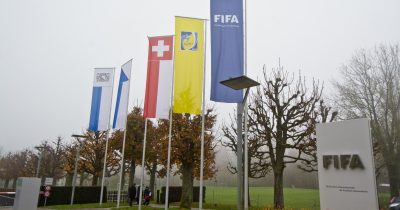
Private investment in football is becoming a highly debated topic, with many questioning the potential consequences of allowing external financial backers to influence the sport. The recent announcement of a $20 billion privatization plan has sparked intense discussion, particularly in relation to the 2030 World Cup. This plan has been met with resistance from various stakeholders, including UEFA, which has launched an indefinite boycott in response to the proposed changes.
The UEFA boycott highlights the tension between preserving football’s governance integrity and the allure of private investment’s financial benefits. On one hand, private investment can bring significant financial resources, which can be used to improve infrastructure, increase player salaries, and enhance the overall quality of the game. On the other hand, there are concerns that external financial backers may prioritize profits over the sport’s integrity, potentially leading to a loss of control and autonomy for governing bodies like UEFA.
The 2030 World Cup is a significant event that is likely to be impacted by the ongoing debate surrounding private investment in football. The tournament is expected to attract a massive global audience, and any changes to the sport’s governance structure could have far-reaching consequences. As such, it is essential to carefully consider the potential effects of private investment on the sport, ensuring that any decisions made prioritize the long-term health and integrity of football.
In the context of decentralized finance (DeFi), the debate surrounding private investment in football raises interesting questions about the role of external financial backers in governing sports organizations. DeFi has the potential to increase transparency and accountability in financial transactions, which could be beneficial in maintaining the integrity of sports governance. However, it is crucial to strike a balance between allowing private investment to flow into the sport and maintaining the autonomy of governing bodies like UEFA.
The use of blockchain technology and cryptocurrency in football is also becoming more prevalent, with some clubs and organizations exploring the potential benefits of these technologies. For example, the use of non-fungible tokens (NFTs) and fan tokens can provide new revenue streams for clubs and enhance fan engagement. As the sport continues to evolve, it will be interesting to see how DeFi and cryptocurrency are integrated into the football ecosystem, and how they may impact the debate surrounding private investment.