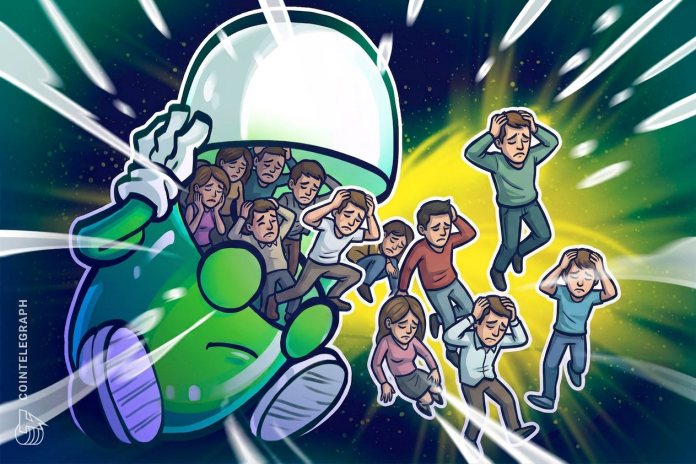
In a development that has drawn significant attention across the crypto community, Pump.fun, a decentralized finance platform known for its high‑yield token offerings, has reportedly dismissed a portion of its workforce shortly before distributing millions of PUMP tokens to its users. The move has sparked debate about the sustainability of rapid expansion strategies in the DeFi sector and raised concerns about governance practices within emerging blockchain projects.
According to insiders, the layoffs were justified by co‑founder Noah Tweedale as a necessary response to the company’s accelerated scaling pace. Tweedale explained that the operational overhead incurred by a sudden surge in user adoption outpaced the firm’s capacity to maintain a lean organizational structure, prompting a reduction in staff to align expenses with revenue streams. While such adjustments are not uncommon in fast‑growing startups, the timing of the dismissals-occurring just prior to a major token distribution-has amplified scrutiny.
PUMP tokens, the native utility asset of the Pump.fun ecosystem, were slated for a multi‑phase airdrop designed to reward early adopters and incentivize liquidity provision. The airdrop was projected to allocate several million dollars worth of tokens, a figure that would substantially increase the platform’s market capitalization upon release. Critics argue that the decision to downsize the workforce before this financial event could signal underlying cash‑flow challenges, potentially jeopardizing the platform’s ability to support token holders in the long term.
The DeFi industry has witnessed a pattern of aggressive growth followed by corrective measures, as projects race to capture market share in a highly competitive environment. However, the Pump.fun case underscores the importance of robust governance frameworks that can balance rapid user acquisition with sustainable operational planning. Transparent communication with both employees and token participants is essential to preserve trust, especially when large token allocations are at stake.
From an investor perspective, the incident raises several risk considerations. First, the abrupt reduction in staff may affect the platform’s capacity to execute critical updates, manage security protocols, and provide timely customer support. Second, the perception of financial instability could influence token price dynamics, as market participants often react to signals of managerial uncertainty. Finally, regulatory scrutiny may intensify if token distribution processes are perceived to be mishandled, given the increasing focus of authorities on DeFi compliance.
Analysts suggest that Pump.fun can mitigate fallout by implementing a clear post‑layoff roadmap that outlines operational priorities, token distribution timelines, and contingency plans for potential liquidity shortfalls. Strengthening internal controls, enhancing community governance mechanisms, and maintaining open dialogues with stakeholders will be pivotal in restoring confidence. Moreover, aligning token economics with realistic revenue projections can help ensure that the value proposition of PUMP tokens remains viable beyond the initial airdrop.
In the broader context of blockchain innovation, the Pump.fun episode serves as a cautionary tale for projects that prioritize rapid expansion without commensurate infrastructure support. Sustainable growth in DeFi hinges on a balance between user acquisition, tokenomics design, and operational resilience. As the market continues to mature, investors and developers alike will likely demand higher standards of transparency and accountability, reinforcing the need for disciplined strategic planning.
Ultimately, the repercussions of the layoffs will be measured by Pump.fun’s ability to deliver on its token distribution promises while maintaining a functional and secure platform. The coming weeks will reveal whether the company can navigate the challenges posed by its recent workforce reduction and capitalize on the momentum generated by the upcoming PUMP token airdrop.