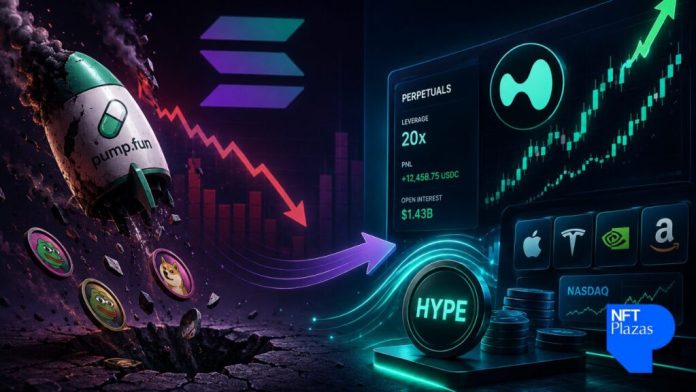
In the last quarter, Solana’s reputation as the go‑to network for high‑velocity memecoin speculation has hit a critical low. The launchpad platform Pump.fun, once a pillar of that ecosystem, has seen its token graduation rates plunge by 80% over three months, dragging the broader network’s fee revenue and liquidity in the process.
Token graduation is the engine that keeps a launchpad viable. When a newly minted token on Pump.fun amasses roughly $69,000 in market cap, it passes the bonding curve threshold and is migrated to a larger decentralized exchange such as PumpSwap. The move unlocks deeper liquidity and organic discovery among traders. Today, fewer than one in two hundred tokens reach that milestone, a stark contrast to the frenetic pace of early 2025 when dozens of tokens each week crossed the threshold.
The revenue story mirrors the decline in graduation. Six months ago, the platform generated roughly $4.8 million per day. By June, daily revenue had fallen to about $800,000-a 25% drop month‑over‑month, while graduation rates fell 53% in the same period. The fact that revenue has fallen at a slower rate than graduation suggests that Pump.fun is now relying more heavily on secondary fee streams, such as trading activity on PumpSwap’s AMM and sponsored listings, to sustain its dollar earnings.
Even the native PUMP token is reflecting the platform’s troubles. Launched to give Pump.fun an internal economic layer, the token has lost 40% of its value over the past six months. The decline in token performance is a clear indicator that the launchpad’s core function-turning speculative token launches into viable market cap milestones-is no longer delivering the promised upside.
Solana’s on‑chain activity has felt the ripple effect. During 2024 and into early 2025, Pump.fun was one of the most significant fee‑generating applications on the network, driving a large share of validator revenue. Daily fees on Solana fell from approximately 33,000 SOL in January to just 5,300 SOL in June-a decline of over 84%. This compression in fee flow is largely due to the sharp drop in memecoin transaction volume, which had previously supported high validator payouts and network utilization metrics that Solana advocates highlighted as proof of real‑world demand.
Market sentiment has not remained oblivious. SOL’s price has slid more than 40% since January, falling from roughly $145 to $73.50. While macro conditions and broader altcoin weakness contribute to the downturn, the erosion of Solana’s narrative as the network of choice for retail speculation has been a decisive factor. The platforms that once powered that narrative-most notably Pump.fun-are now showing the cracks that will likely reshape the network’s usage patterns.
Where is the capital moving? Analysts point to a growing rotation toward perpetual contracts and other derivative products. As memecoin launches lose appeal, traders are increasingly seeking longer‑term exposure through futures and other synthetic instruments. This shift may offer a new lifeline for Solana’s liquidity providers, but it also signals a fundamental change in the type of on‑chain activity the network will support in the coming months.
In summary, Pump.fun’s steep decline in token graduation and revenue is not merely a platform‑level issue; it is symptomatic of a broader realignment in Solana’s speculative ecosystem. The once‑thriving memecoin launchpad model is giving way to a more diversified, derivative‑centric landscape. Stakeholders across the network must now adapt to a reality where high‑frequency token launches are no longer the primary driver of growth.