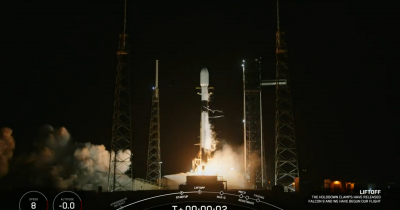
The race to secure 800 MHz spectrum licenses worth an estimated six billion dollars signals a pivotal moment for satellite communications and its intersection with blockchain infrastructure. SpaceX and AST SpaceMobile are positioning themselves to capture low frequency bandwidth that penetrates buildings and covers vast rural areas more effectively than higher bands. This development carries profound implications for decentralized physical infrastructure networks that rely on ubiquitous connectivity to operate nodes and validators across diverse geographies.
Low frequency spectrum in the 800 MHz range has long been prized by traditional carriers for its propagation characteristics. Signals at these wavelengths travel farther and penetrate obstacles better than mid or high band alternatives. For satellite operators aiming to deliver direct to device connectivity, this spectrum represents the most viable path to seamless voice and data services without specialized ground equipment. The Federal Communications Commission auction process will determine which entities gain access to these finite resources.
Decentralized wireless networks such as Helium and Xnet stand to benefit significantly from expanded satellite coverage. These protocols incentivize individuals to deploy hotspots that provide connectivity for Internet of Things devices and cellular offloading. Satellite backhaul can connect remote hotspots to the internet without fiber or microwave links, dramatically lowering the barrier to participation in rural and developing regions. Token rewards for coverage provision become more attractive when operators can reach previously unserved populations.
The convergence of satellite connectivity and blockchain technology extends beyond infrastructure deployment. Smart contracts can automate spectrum sharing agreements between terrestrial and orbital operators. Tokenized spectrum licenses could enable fractional ownership and dynamic allocation based on real time demand. Projects exploring these models include Spectrum Token and various regulatory technology initiatives that aim to bring transparency to spectrum markets through distributed ledger systems.
Regulatory frameworks remain the primary uncertainty. The FCC must balance incumbent terrestrial license holders against new satellite entrants. International coordination through the International Telecommunication Union adds another layer of complexity. Blockchain based registry systems have been proposed to streamline cross border spectrum coordination and reduce disputes through immutable records of allocation and usage rights.
Investment implications extend across multiple sectors. Telecommunications equipment manufacturers, satellite operators, and blockchain infrastructure providers all face new strategic considerations. Venture capital has begun flowing into startups building at the intersection of satellite communications and decentralized networks. The total addressable market for satellite direct to device services could reach hundreds of billions annually if regulatory and technical hurdles are overcome.
Technical challenges persist despite the spectrum opportunity. Satellite power constraints limit transmit strength to mobile devices. Antenna design must accommodate standard smartphone form factors. Latency and handover management between terrestrial and orbital cells require sophisticated orchestration. Blockchain networks can contribute solutions through decentralized coordination layers that optimize routing and resource allocation in real time.
The next twelve months will be decisive as auction results emerge and commercial services launch. Early movers who integrate satellite connectivity into decentralized network architectures may establish durable competitive advantages. The fusion of orbital infrastructure and blockchain economics represents a new frontier for digital inclusion and network resilience that aligns with the core ethos of permissionless innovation driving the industry forward.