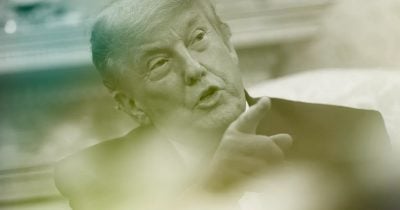
Recent escalations between the United States and Iran have reverberated beyond traditional geopolitics, injecting fresh uncertainty into the cryptocurrency arena. When former President Donald Trump announced the nullification of a cease‑fire agreement and ordered air strikes against Iranian targets, market participants quickly turned their attention to assets that historically thrive on hype and rapid sentiment shifts, namely meme coins.
Historically, meme coins such as Dogecoin, Shiba Inu, and newer entrants have demonstrated a pronounced sensitivity to macro‑level news events. The abrupt shift in U.S. foreign policy creates a risk‑off environment that can trigger massive capital outflows from risk‑on assets, while simultaneously fueling speculative inflows into high‑volatility tokens that promise outsized returns. This dual dynamic often results in pronounced price swings, with meme coin markets experiencing both sudden spikes and sharp corrections within hours of major headlines.
Analysts point to the 2022 sell‑off in meme tokens following the Russian invasion of Ukraine as a precedent for how geopolitical shocks can destabilize these markets. In that scenario, investors withdrew from speculative tokens, only to re‑enter once the narrative settled. The current U.S‑Iran tension follows a similar pattern, with heightened fear prompting a temporary retreat from meme coins, while traders who thrive on short‑term price action prepare for a potential rebound.
From a technical perspective, the price charts of leading meme coins are already reflecting the uncertainty. Moving averages indicate a bearish crossover on the daily timeframe, while the Relative Strength Index (RSI) hovers near oversold levels, suggesting that further downside may be limited. Traders employing a risk‑managed approach often look for bullish reversal candlestick formations near key support zones as an entry point once the geopolitical news cycle calms.
Fundamentally, meme coins are still driven by community sentiment, social media virality, and influencer endorsements. The current geopolitical narrative has already been amplified across platforms such as Twitter, Reddit, and TikTok, where meme coin proponents frame the conflict as a catalyst for “crypto freedom” and a hedge against fiat instability. This narrative can attract new retail investors, especially those seeking alternatives to traditional safe‑haven assets like gold.
DeFi protocols that host meme coin liquidity pools are also feeling the ripple effect. Higher volatility translates into increased impermanent loss risk for liquidity providers, prompting some to temporarily withdraw funds or adjust fee structures. Conversely, platforms that offer high‑yield staking on meme tokens may see a surge in demand as users chase short‑term yields, thereby deepening the market’s liquidity and reinforcing price resilience.
Looking ahead, the duration and intensity of the U.S‑Iran confrontation will be pivotal in shaping meme coin trajectories. Should diplomatic channels reopen and a cease‑fire be reinstated, sentiment could swing back to optimism, fueling a rapid price rally. Conversely, a prolonged conflict could sustain a risk‑averse stance among investors, keeping meme coin volatility elevated but also creating opportunities for well‑timed entry points.
In summary, the intersection of U.S‑Iran tensions and meme coin markets underscores the broader lesson that geopolitical events remain a powerful catalyst for crypto price dynamics. Market participants who combine rigorous technical analysis with an awareness of macro‑level risk factors are best positioned to navigate the turbulence and capture potential upside in the meme coin space.