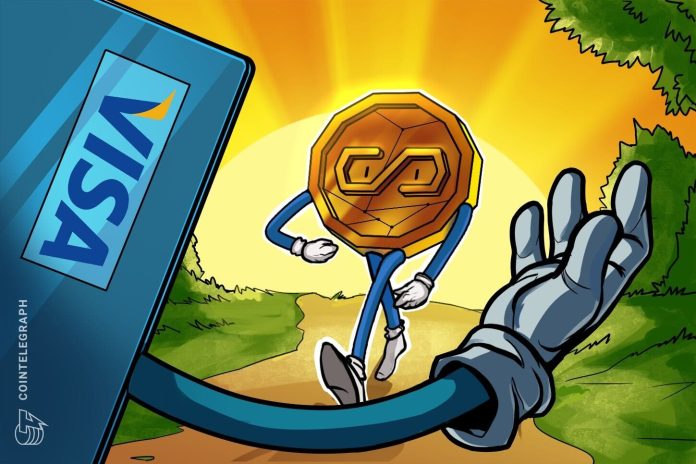
Visa has announced a strategic collaboration with Dunamu, the South Korean technology firm that owns the cryptocurrency exchange Upbit, to investigate the use of stablecoins for payments and cross‑border remittances. The partnership reflects Visa’s broader ambition to integrate decentralized finance (DeFi) solutions into its global network and to stay ahead of emerging trends in digital commerce.
At the core of the joint effort is an evaluation of several stablecoin projects, with Open Standard’s OUSD (Origin Dollar) receiving particular attention. OUSD is a fully collateralised, algorithmic stablecoin that automatically earns yield on its underlying assets. By reviewing OUSD alongside other candidates, Visa and Dunamu aim to identify a token that can deliver both price stability and regulatory compliance for everyday transactions.
The initiative aligns with Visa’s recent investments in blockchain infrastructure and its commitment to expanding the reach of digital assets. In the past year, the payments giant has launched a suite of APIs that enable merchants to accept cryptocurrency payments, and it has partnered with multiple crypto custodians to facilitate secure settlement. The new collaboration with Dunamu adds a layer of regional expertise, given Dunamu’s dominant position in the Korean crypto market and its deep connections with the broader Asian fintech ecosystem.
From a DeFi perspective, the partnership signals a growing acceptance of stablecoins as a bridge between traditional finance and decentralized applications. Stablecoins such as OUSD are designed to maintain a one‑to‑one peg with the US dollar while offering the programmability of blockchain tokens. This combination makes them attractive for use cases ranging from point‑of‑sale payments to peer‑to‑peer remittances, especially in markets where conventional banking services are costly or inaccessible.
Visa’s involvement also brings a layer of regulatory rigor to the project. The company has a long history of working closely with financial regulators around the world, and its participation could help shape best practices for stablecoin compliance, anti‑money‑laundering (AML) procedures, and consumer protection. By integrating these standards early in the development process, Visa and Dunamu hope to create a model that can be replicated across other jurisdictions.
In addition to stablecoin payments, the collaboration will explore the role of artificial intelligence (AI) in commerce. Both firms are investigating how AI‑driven analytics can enhance transaction monitoring, fraud detection, and personalized merchant services. The convergence of AI and blockchain could unlock new efficiencies for merchants, allowing them to process payments faster, reduce chargeback rates, and tailor offers based on real‑time spending patterns.
Industry analysts view the Visa‑Dunamu partnership as a bellwether for the future of crypto‑enabled payments. As traditional payment networks seek to modernise, stablecoins offer a low‑volatility alternative to volatile cryptocurrencies, making them more palatable for both consumers and businesses. Moreover, the partnership’s focus on yield‑generating stablecoins like OUSD could introduce new revenue streams for merchants who wish to earn passive returns on held balances.
Challenges remain, however. Regulatory uncertainty continues to loom over stablecoin projects, and the need for clear guidance on token classification, taxation, and cross‑border settlement persists. Visa’s extensive compliance infrastructure may mitigate some of these risks, but the success of the initiative will depend on coordinated efforts between regulators, industry participants, and technology providers.
Overall, the Visa and Dunamu collaboration represents a significant step toward mainstreaming stablecoin payments and integrating AI capabilities into the payments ecosystem. By leveraging Dunamu’s market insight and Visa’s global network, the partnership is poised to create a scalable framework that could reshape how digital assets are used for everyday commerce and international money transfers.