London is moving tokenization from a buzzword to a concrete agenda as the Wholesale Digital Markets Champion released a detailed roadmap to the Chancellor. The first report, authored by Christopher Woolard CBE, outlines a twelve month plan to build a tokenized wholesale financial markets system for the United Kingdom. By focusing on high‑impact use cases such as repo transactions, fixed income securities, and digital gilts, the initiative aims to modernise a market that already settles more than £4 trillion in securities each day.
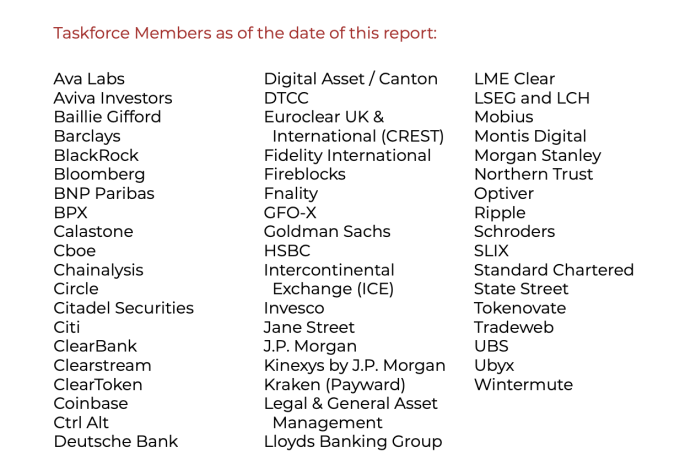
The scale of the taskforce is noteworthy. More than fifty organisations have pledged support, ranging from global asset managers like BlackRock to leading banks such as JPMorgan, and from crypto exchanges like Coinbase to post‑trade infrastructure providers including DTCC, Euroclear UK & International, LSEG and LCH. This broad coalition reflects a shared belief that tokenisation can unlock efficiency, reduce settlement risk and enhance liquidity across the wholesale market ecosystem.
Woolard’s report is the product of an extensive consultation process. Over seventy one‑on‑one meetings with market participants, roundtables with standard‑setting bodies and two full taskforce sessions informed the recommendations. This depth of engagement signals that the roadmap is grounded in industry realities rather than abstract theory. The plan calls for a phased implementation that begins with the most mature asset classes, allowing participants to test the technology in a controlled environment before expanding to broader use cases.
Economic forecasts underline the strategic importance of the project. Estimates from Barclays and PwC suggest that tokenisation could add up to £33 billion to the UK’s annual economic output and generate £14 billion in tax revenue by 2035. On a global scale, tokenized real‑world assets are projected to reach $88 trillion by the same horizon, up from a modest $30 billion today. While these figures remain projections, they illustrate the upside potential for a market that is still in its infancy.
The choice of repo and digital gilts as initial pilots is deliberate. Repo markets are already highly automated and represent a substantial portion of daily trading volume, making them an ideal proving ground for token‑based settlement. Digital gilts, as sovereign debt issued on a blockchain‑compatible platform, would showcase the UK’s ability to issue government securities in a fully digitised format, reinforcing London’s position as a premier financial hub.
Success will depend on coordinated action across regulators, infrastructure providers and market participants. The taskforce must address challenges such as legal clarity around token ownership, interoperability between different blockchain standards and the integration of legacy settlement systems. By establishing clear standards and a shared technical architecture early, the UK can avoid the fragmentation that has hampered tokenisation efforts in other jurisdictions.
If the twelve‑month timeline is met, the United Kingdom could emerge as the benchmark for tokenised wholesale finance, preserving its competitive edge against emerging hubs in Europe and Asia. The involvement of heavyweight institutions provides credibility and resources that many other countries lack. Moreover, the initiative aligns with broader governmental objectives to foster digital innovation, attract investment and modernise the nation’s financial infrastructure.
In summary, the UK tokenization taskforce represents a decisive step toward a digital future for wholesale markets. By leveraging the expertise of over fifty leading firms and focusing on high‑value use cases, the roadmap seeks to transform a trillion‑pound daily settlement process into a more efficient, transparent and resilient ecosystem. The coming months will reveal whether the ambition can be translated into tangible outcomes, but the groundwork laid today positions London to set the global standard for tokenised finance.